Bose
Role: Structural Packaging Design
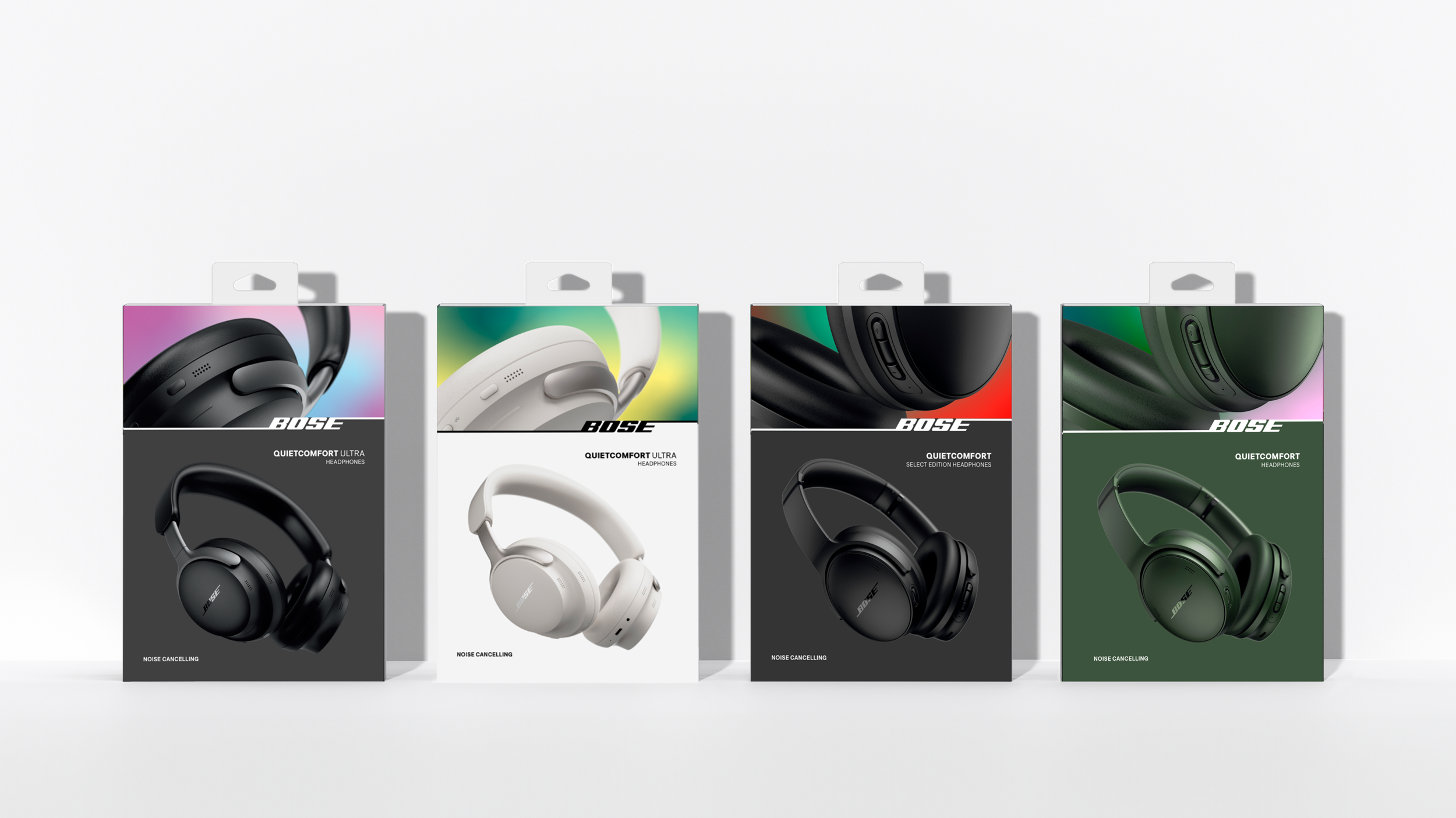
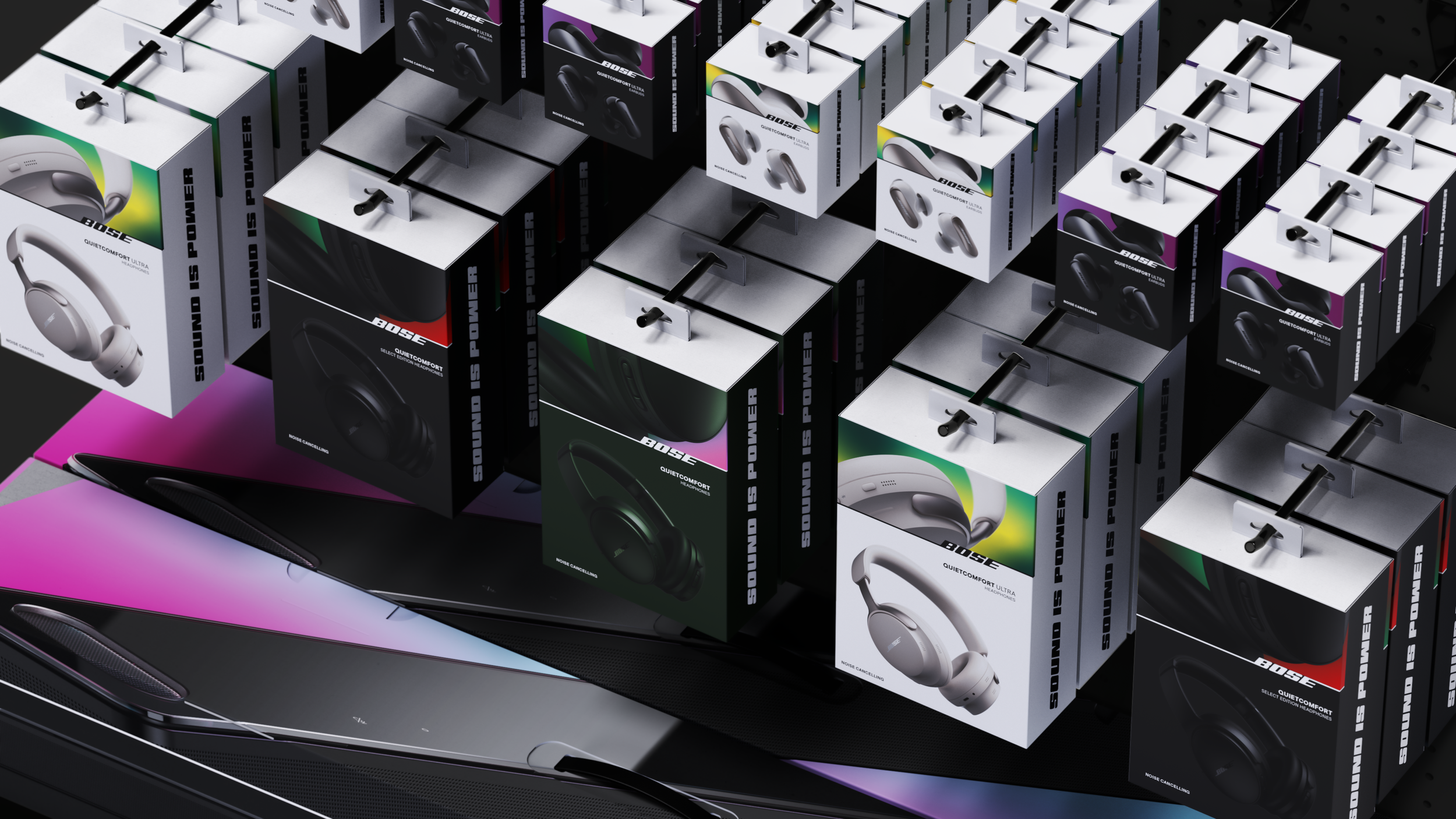
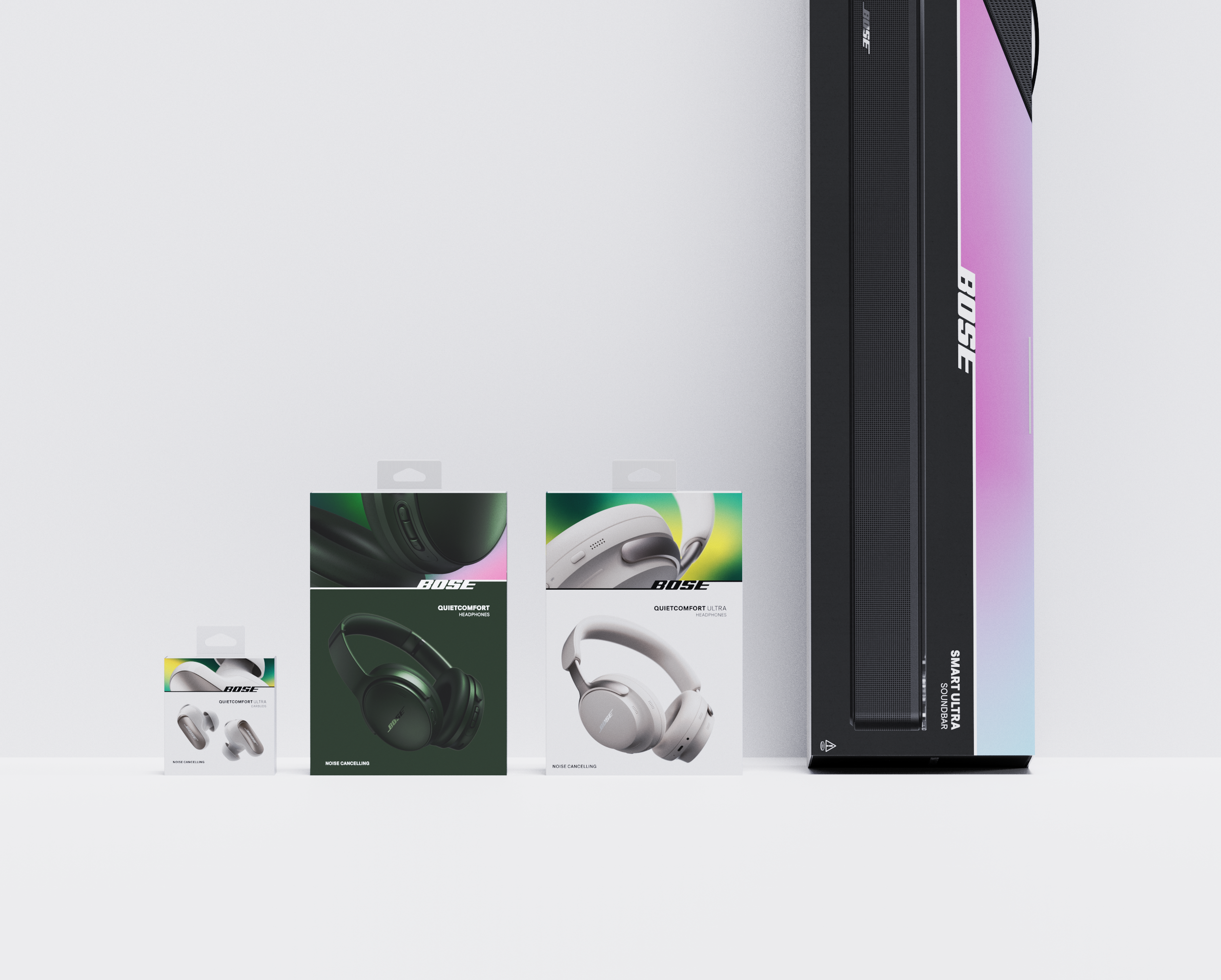
Unify the diverse Bose product family under a singular, premium design language while simultaneously reducing manufacturing costs. The mandate was strict: the new system had to be cost-neutral or better, achieve 100% plastic-free construction, and be infinitely scalable across a global product portfolio.
The Solution
I engineered a system that bridges the gap between high-end luxury and industrial efficiency. By optimizing structural dielines and material grain orientation, I achieved a "rigid-box" aesthetic using folding carton mechanics. This approach delivered the tactile experience Bose is known for without the high price tag of traditional set-up boxes.
Work done while at Enlisted Design with collaboration of the Bose team.

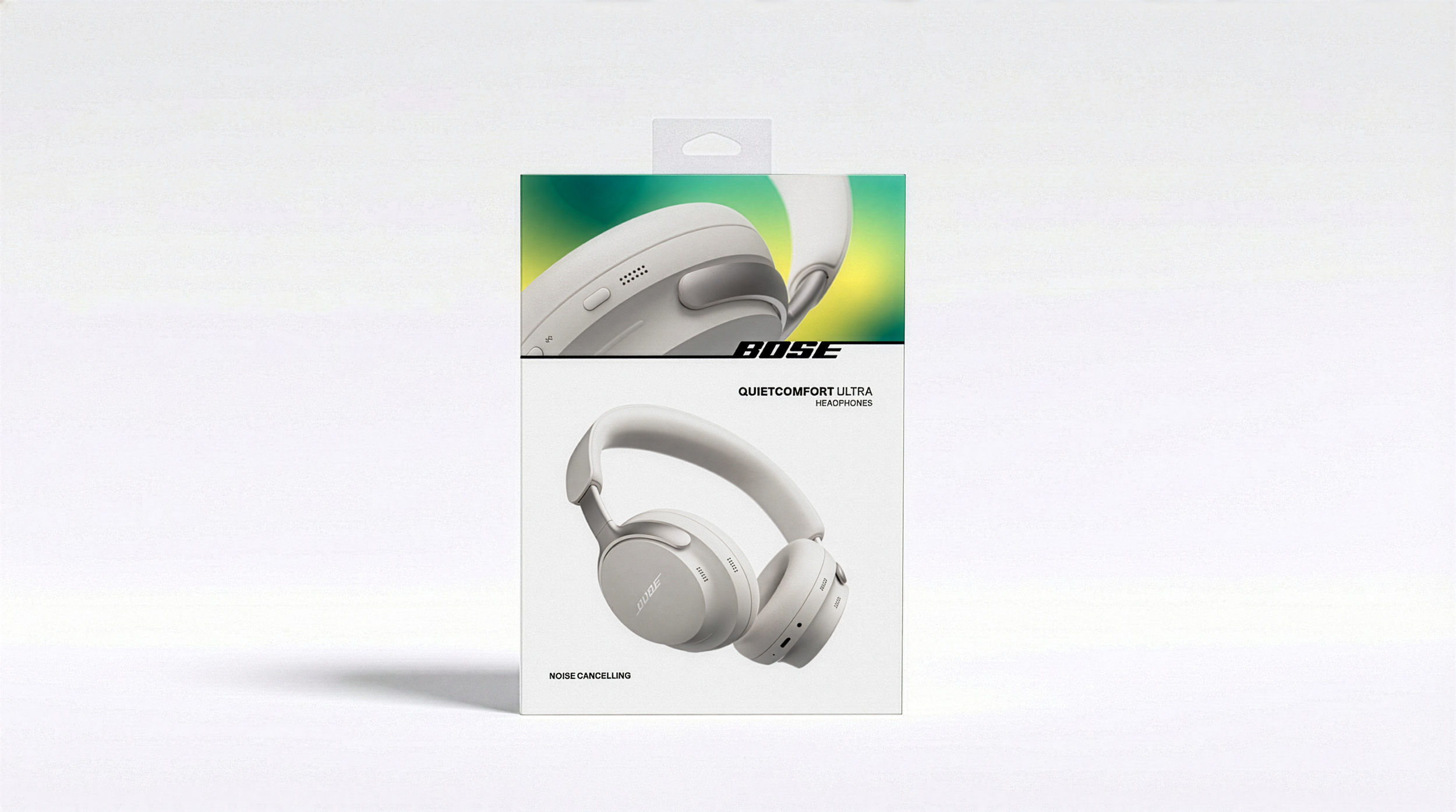
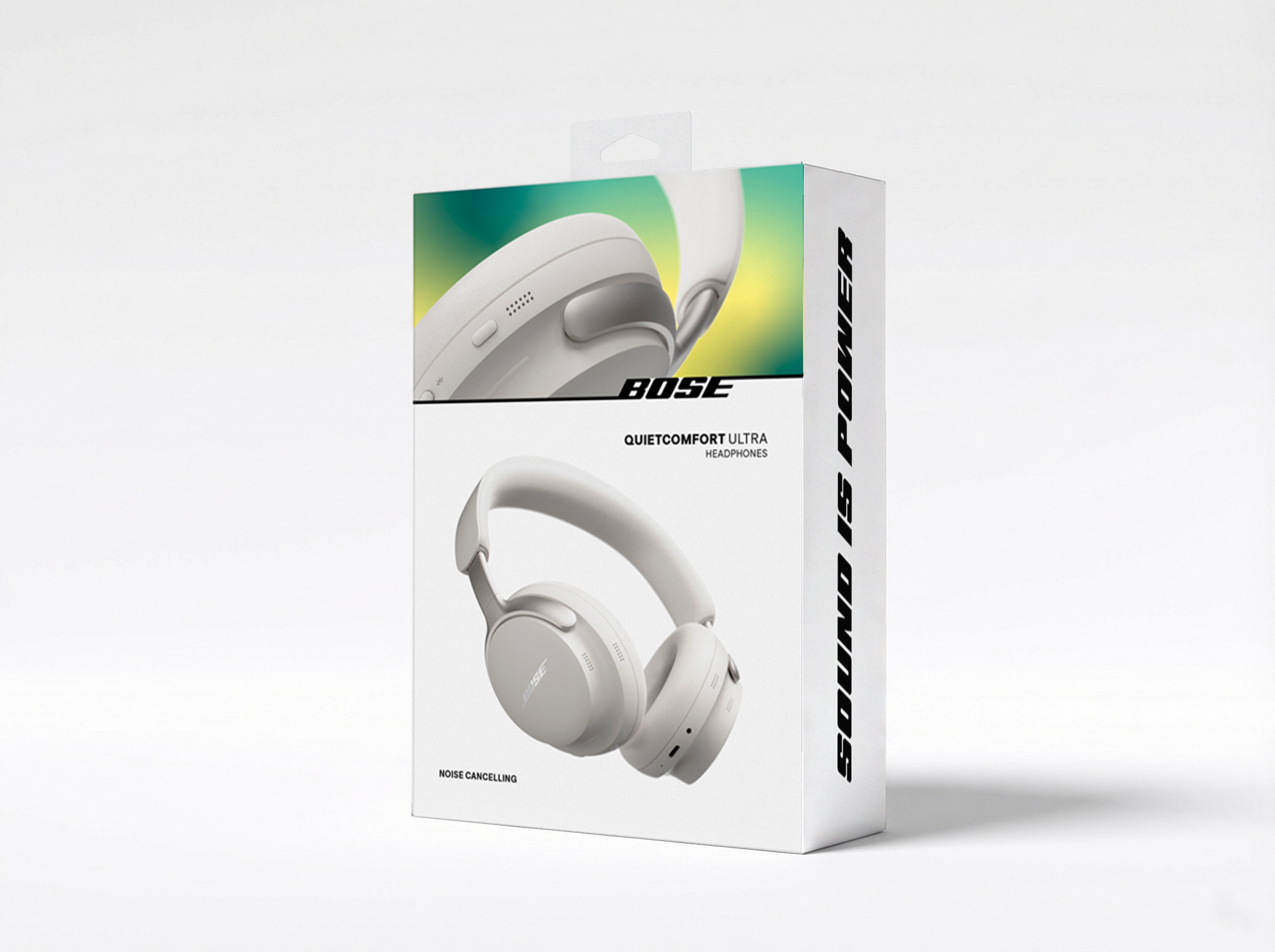
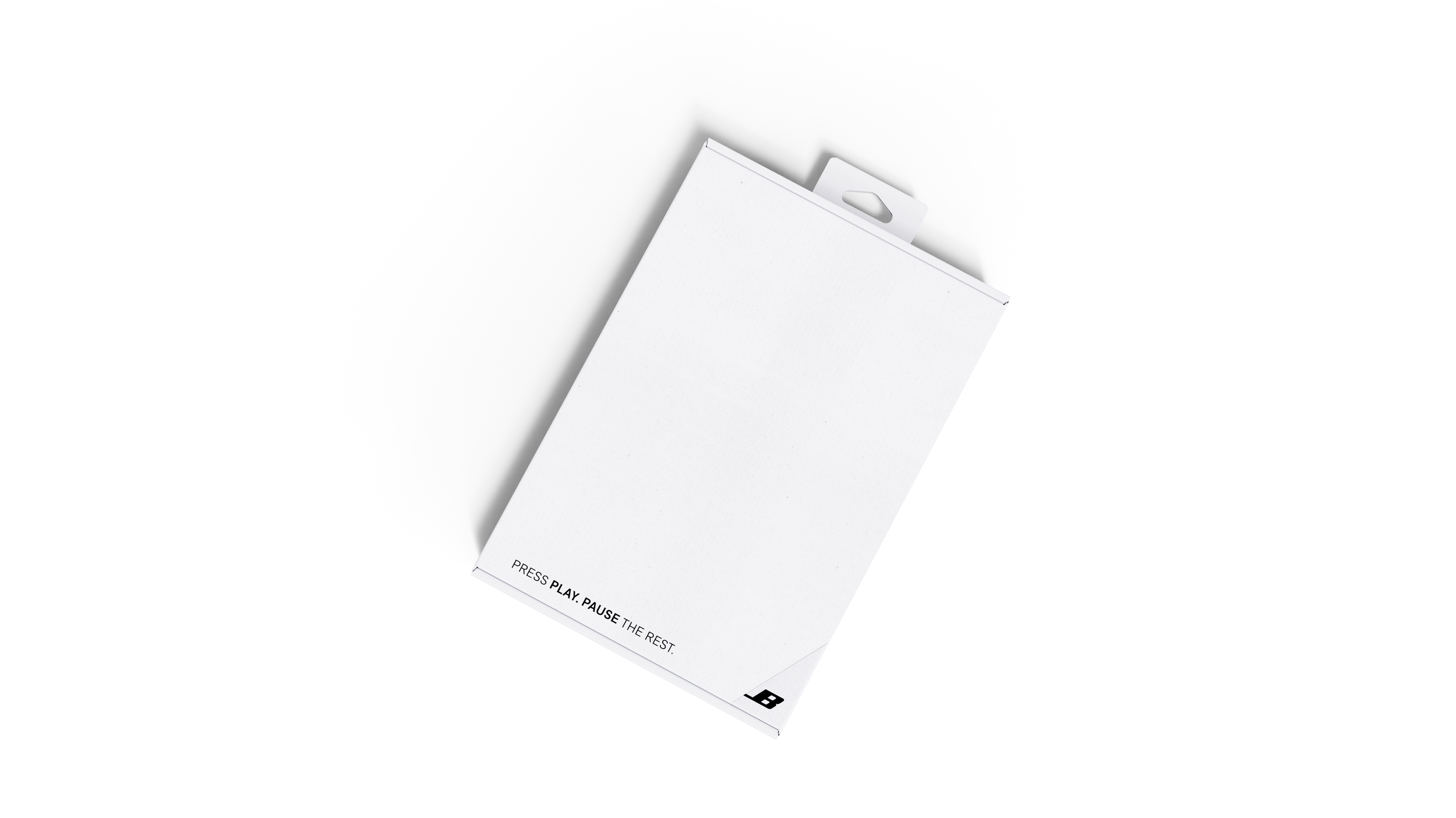
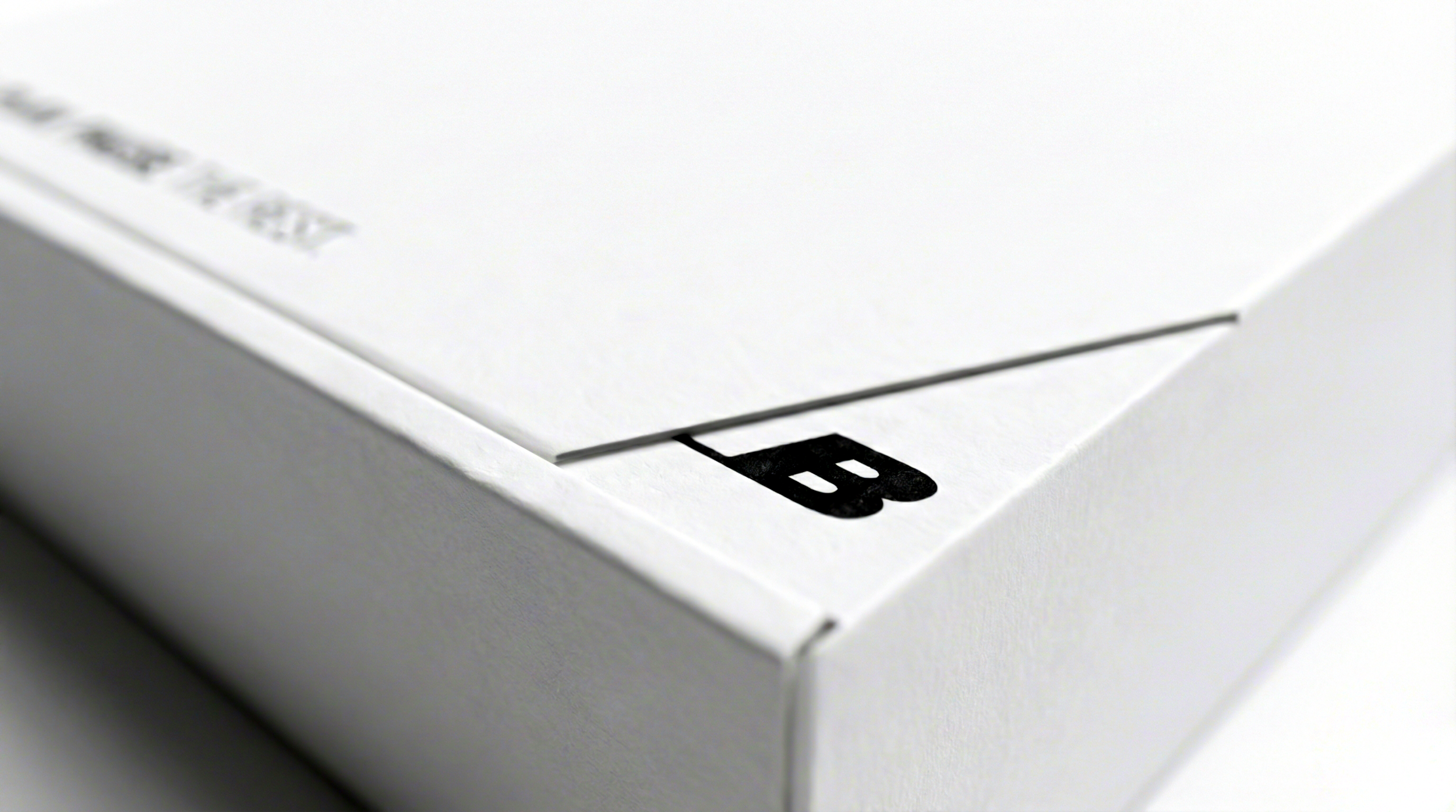
The "Rigid" Illusion
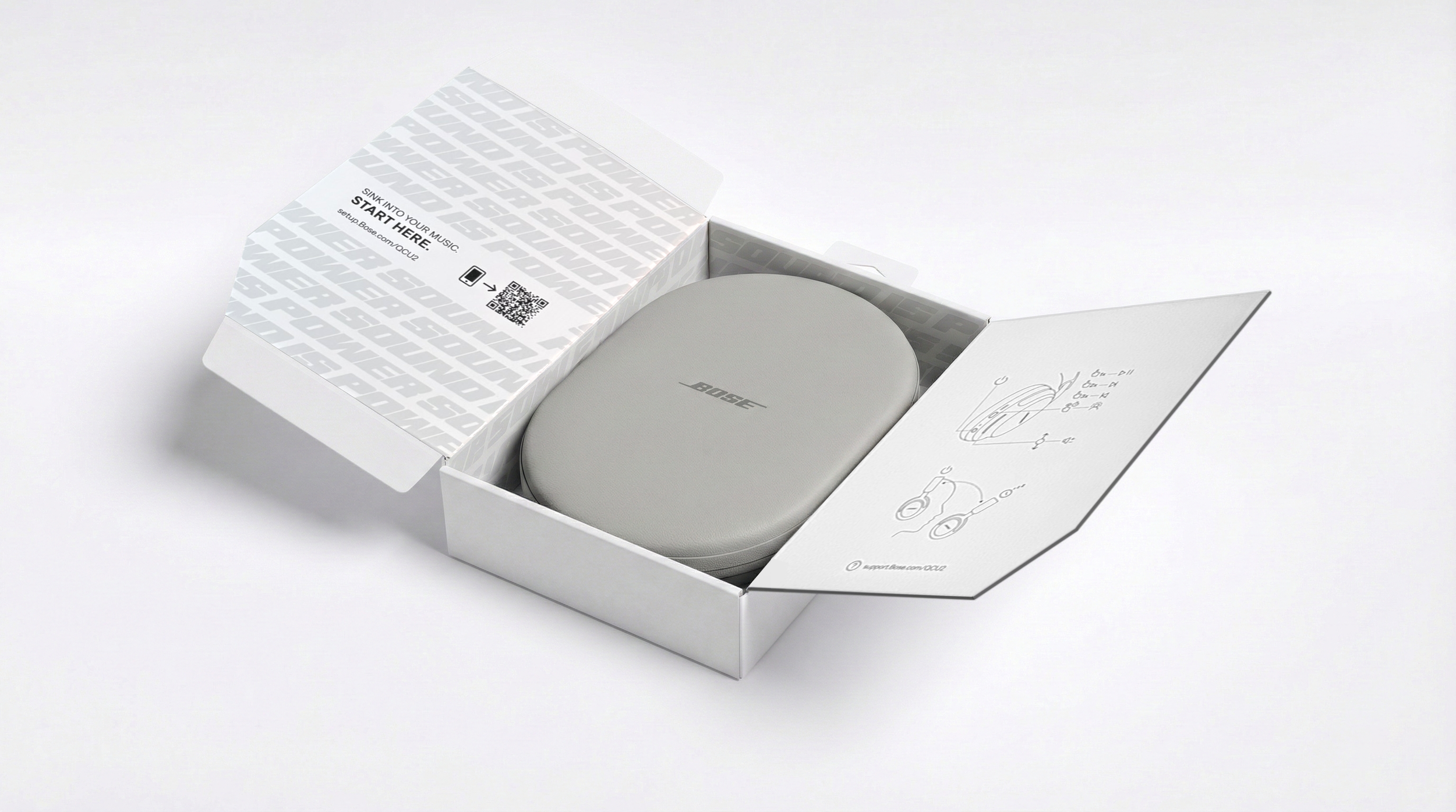
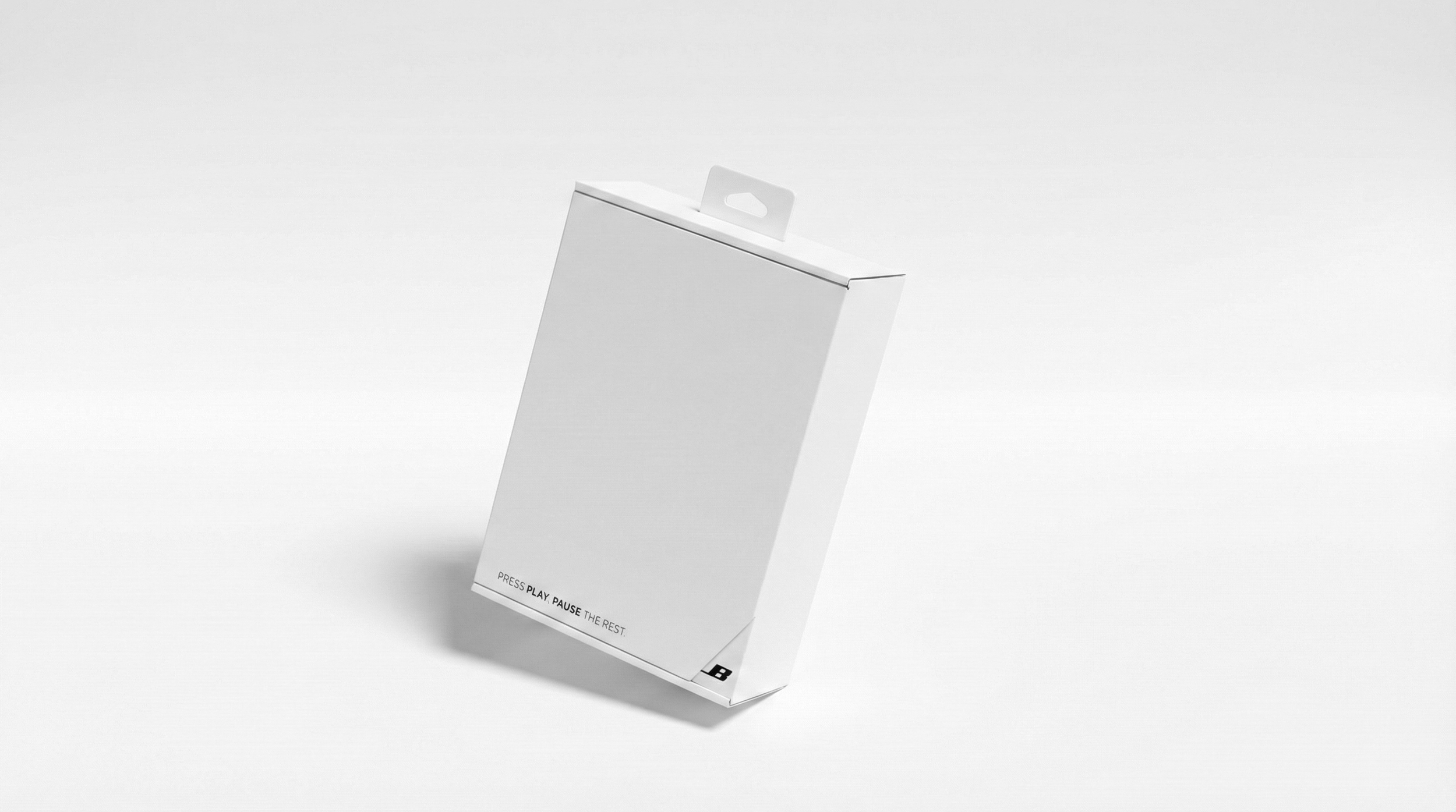
To elevate standard micro-fluted corrugate to a premium tier, I implemented rolled edges on the top and bottom of the box. This hides the exposed fluting (the "sandwich" look of cardboard), mimicking the clean, seamless finish of a high-end rigid box at a fraction of the cost.
Functional Branding
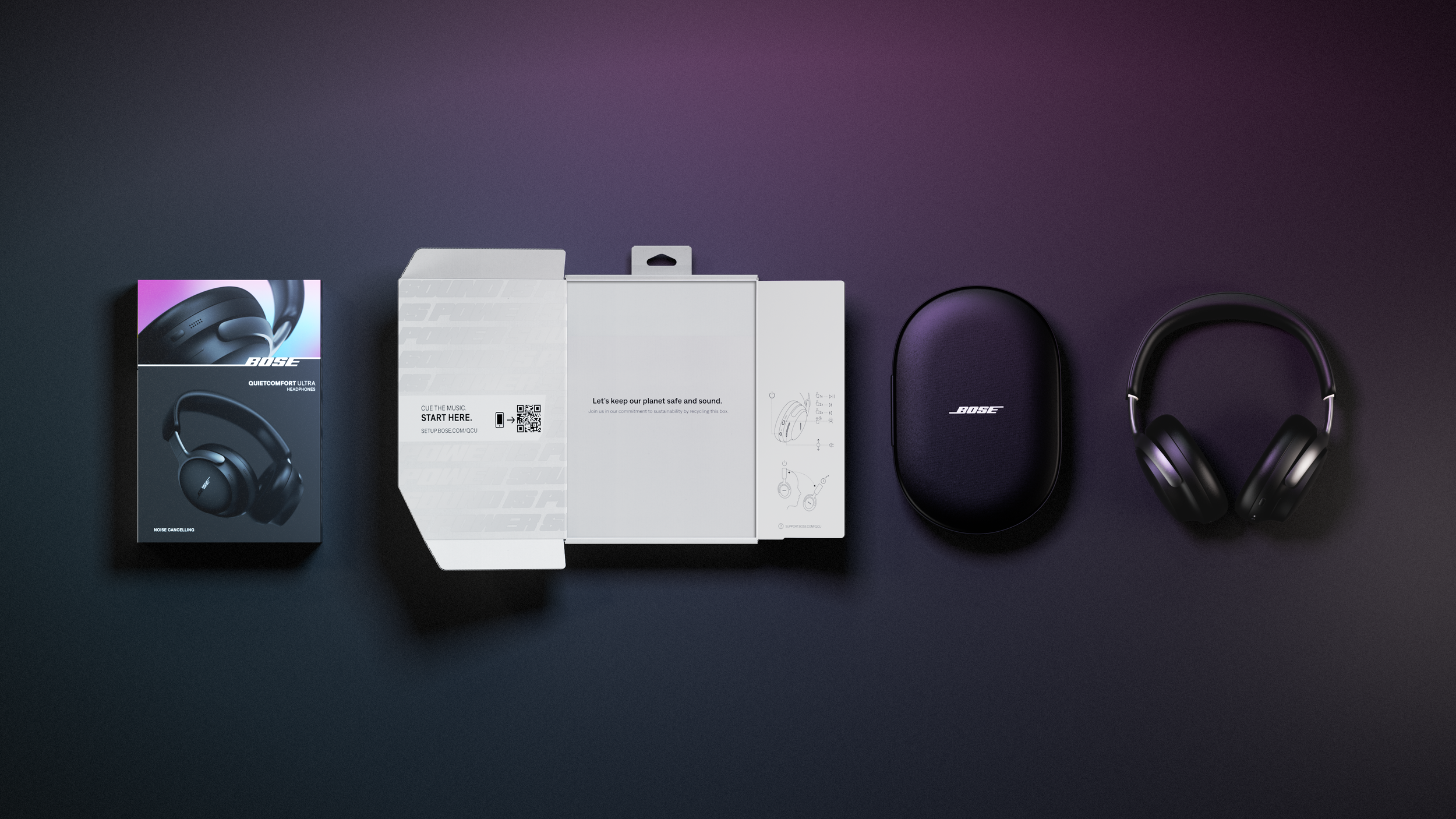
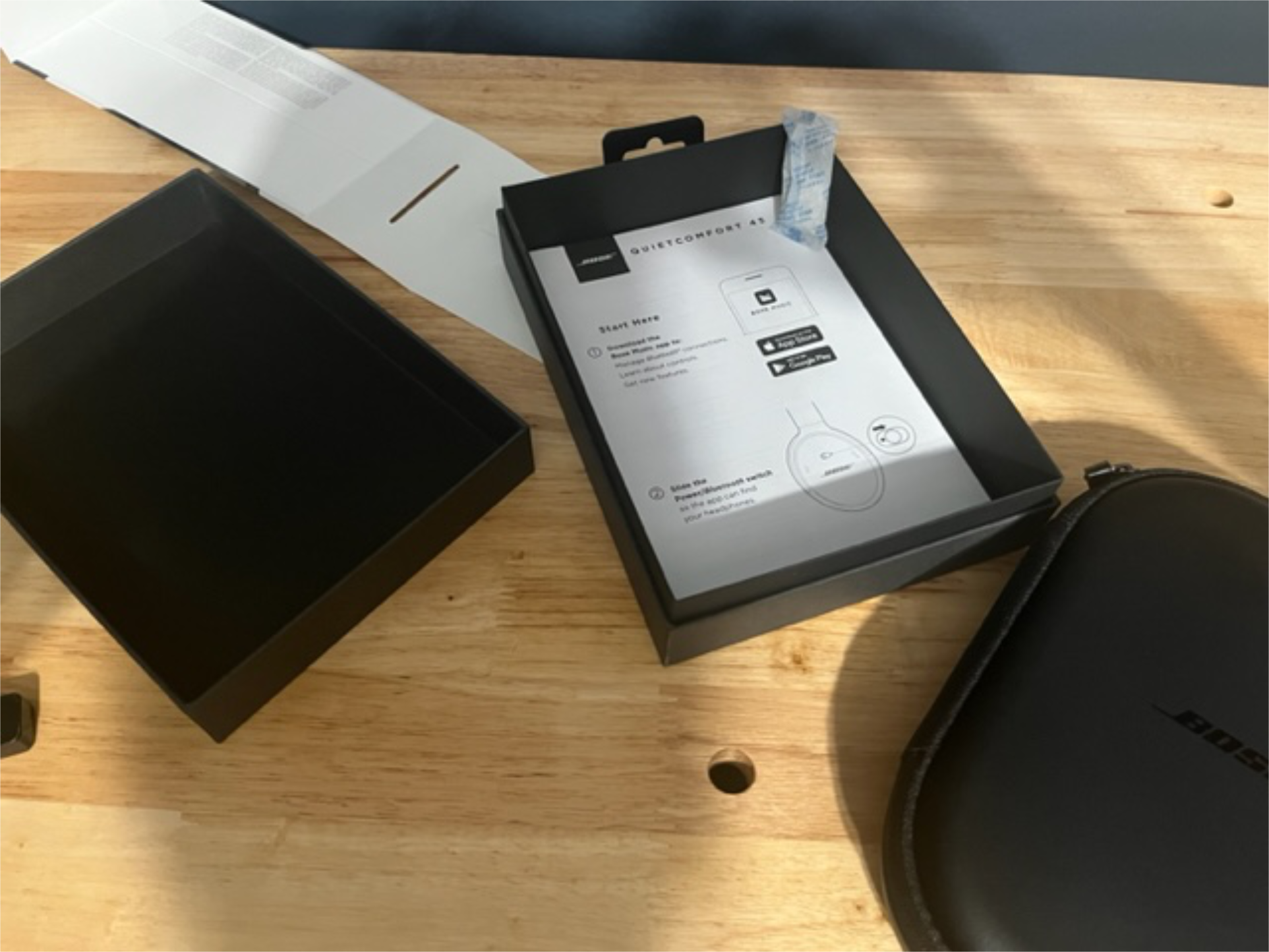
The Double Flap: I designed a double-flap lid to serve two purposes: increasing structural crush-strength for shipping and creating a massive "billboard" for branding. This secondary surface provides an immediate "Quick Start" guide for the user, improving the out-of-box experience (OOBE).
The Signature Cut: The lid features a precise angled cut, a subtle nod to the iconic angle of the Bose "B," ensuring the packaging feels like an extension of the industrial design of the products themselves.
Strategic Iteration
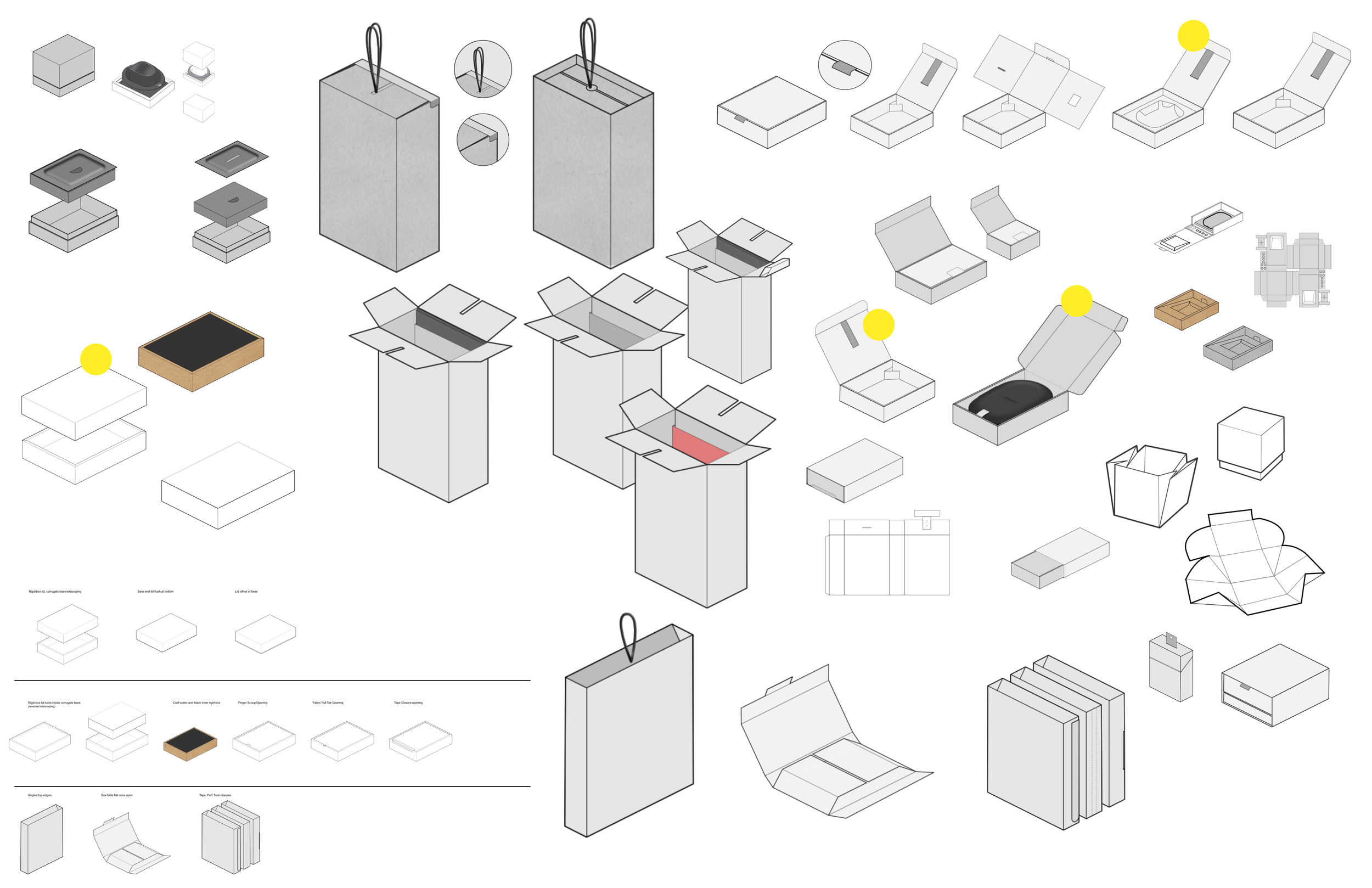
I explored several architectures including telescoping boxes and molded fiber before landing on this hybrid folding carton.
Tooling Savings: By moving away from molded parts, we eliminated the high upfront cost of custom molds.
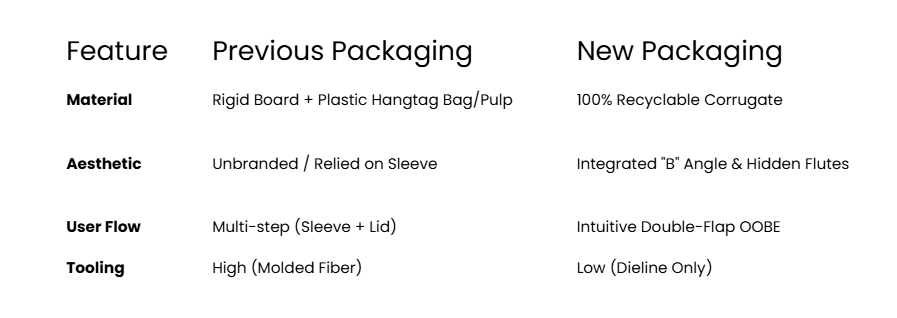
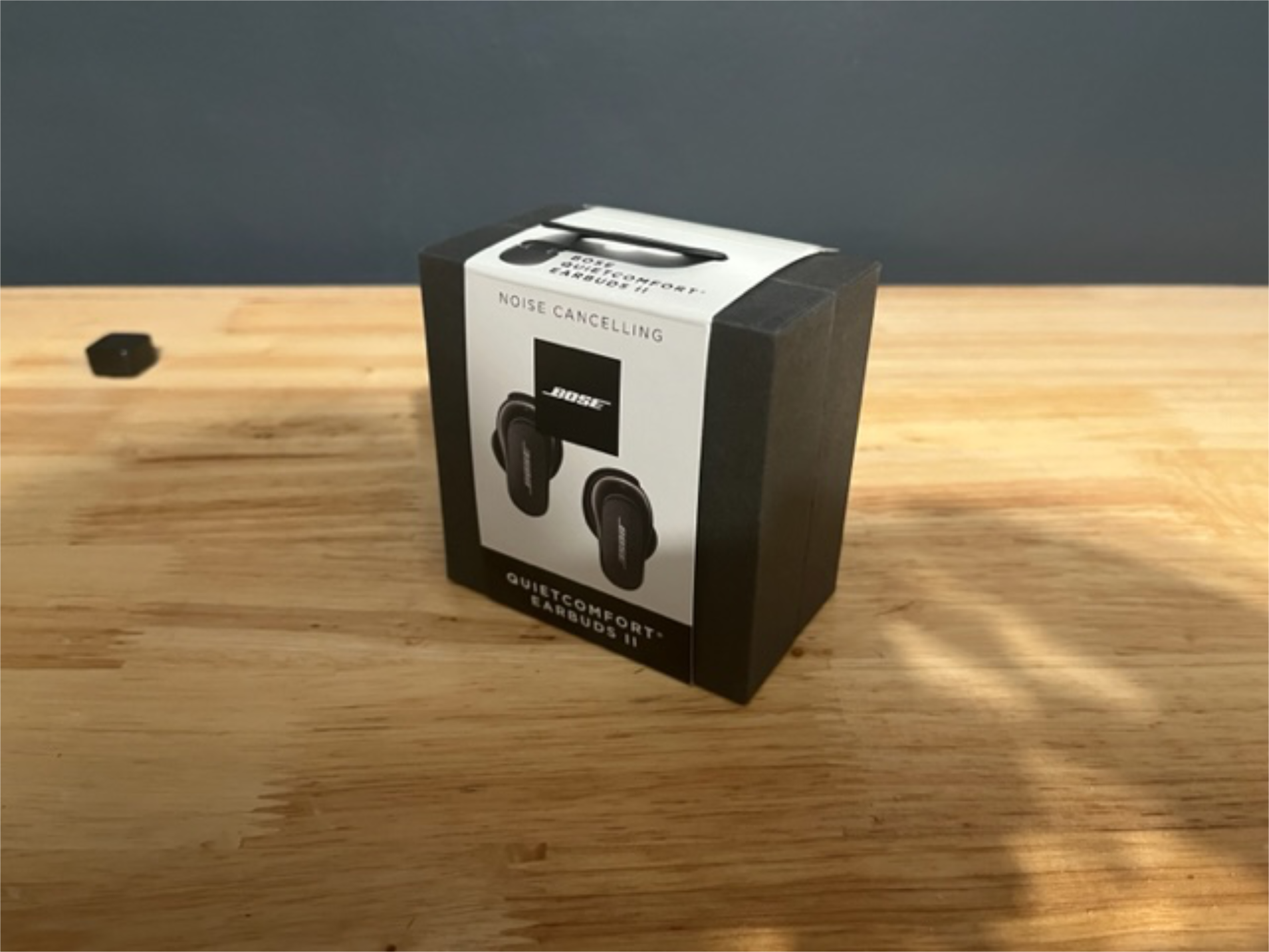
Material Shift: Transitioning from the previous "split telescoping rigid box + sleeve" combo to a single-stream micro-fluted design drastically reduced the number of components and simplified the assembly line.
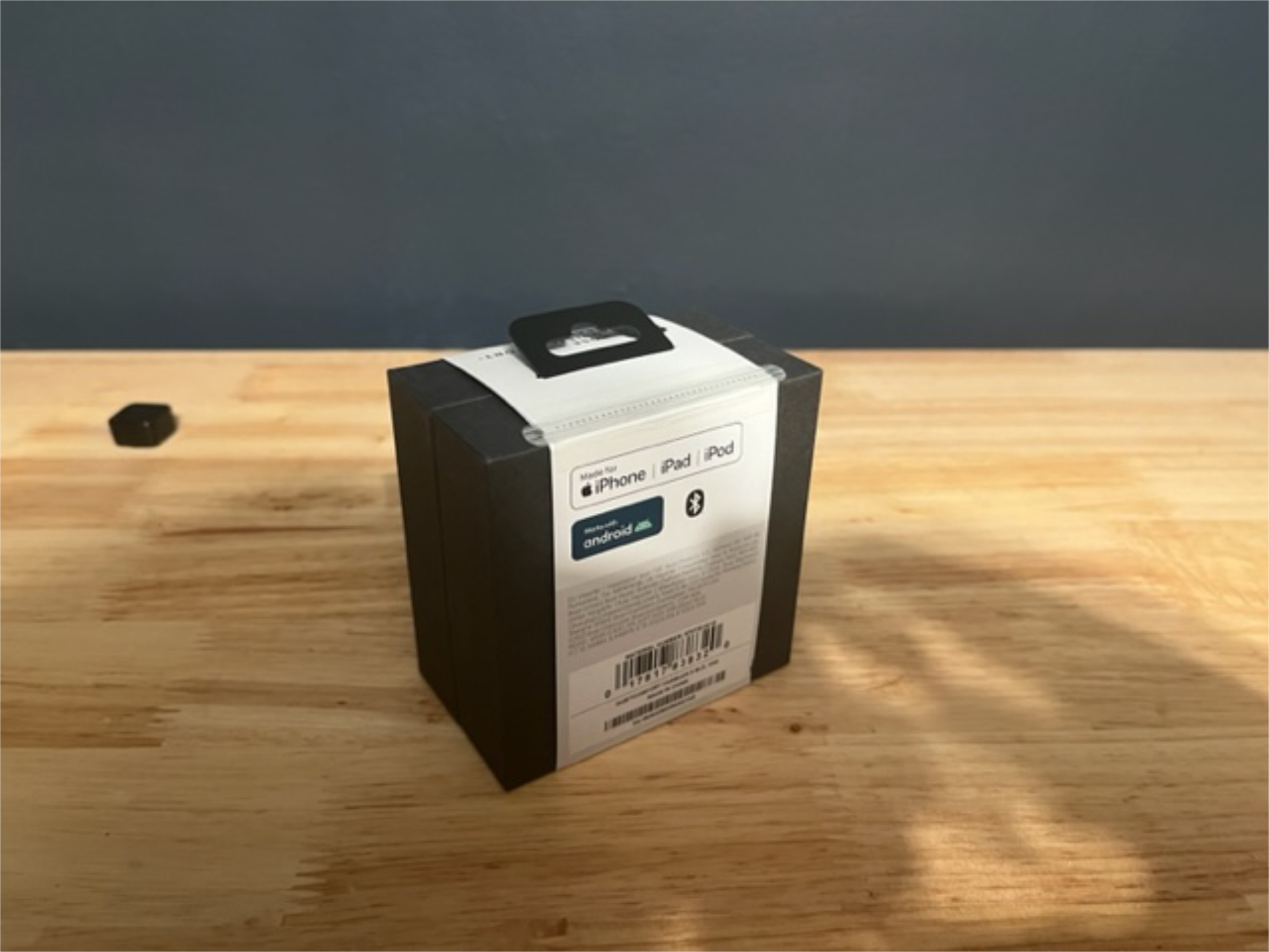
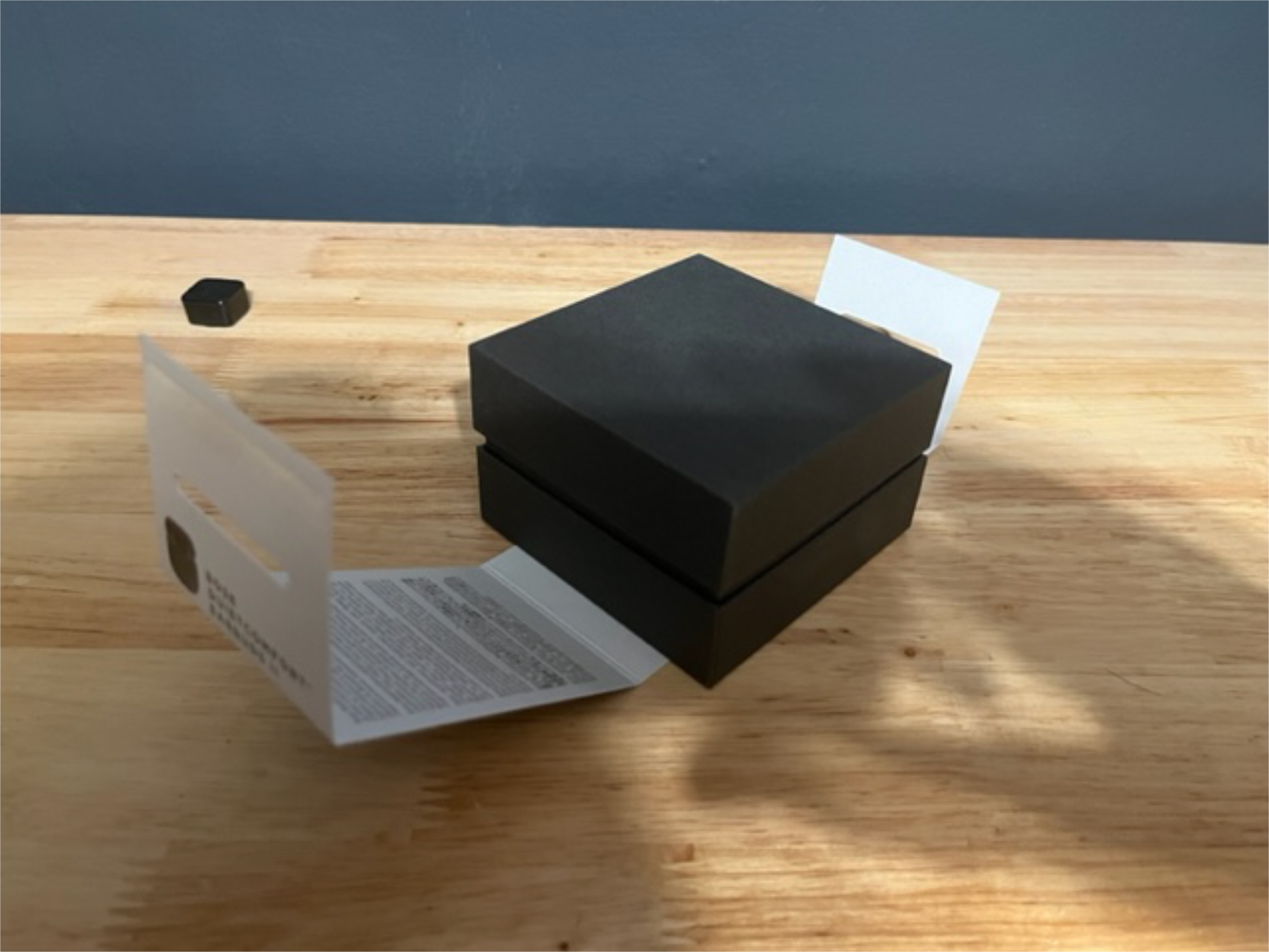
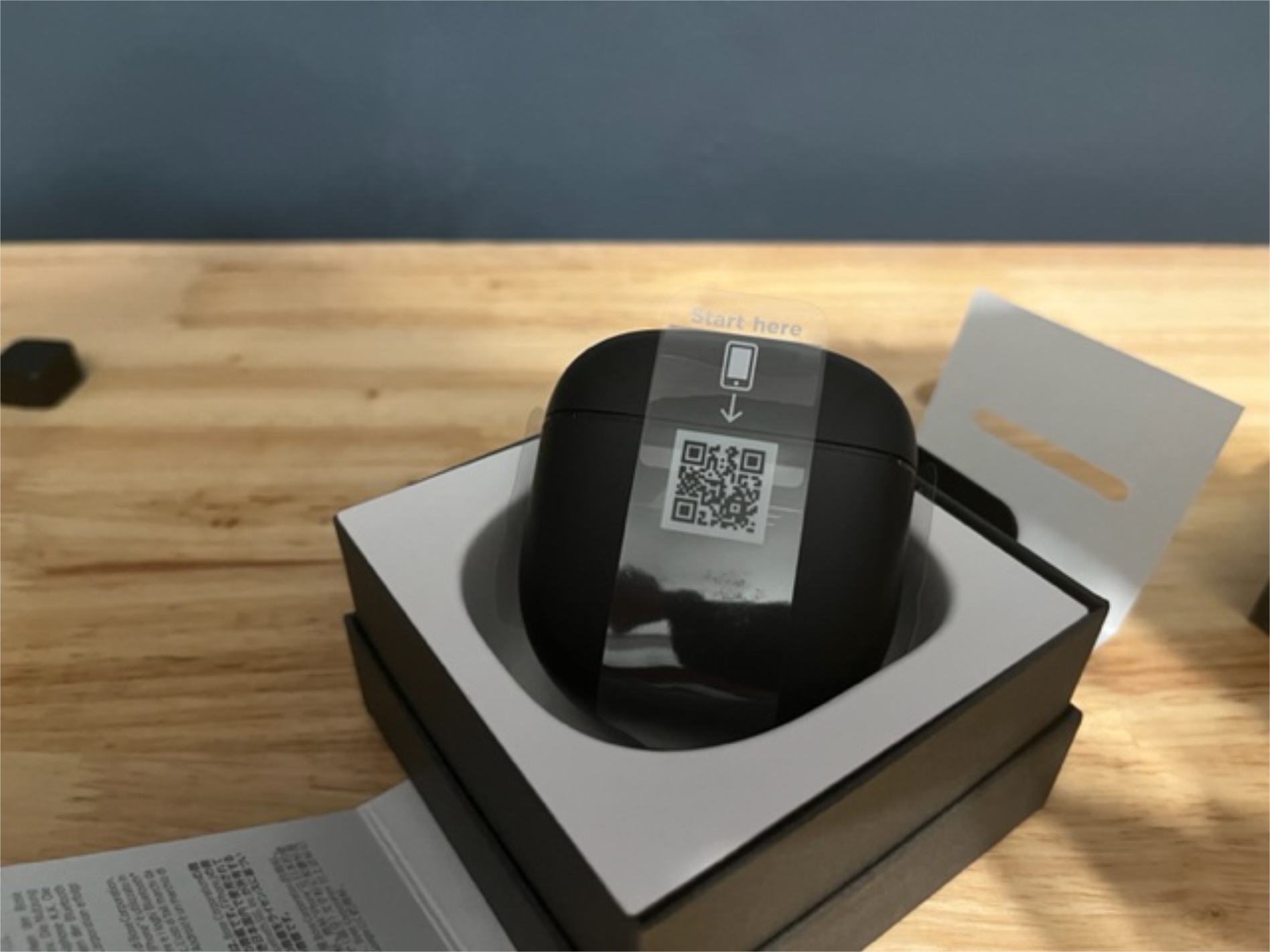
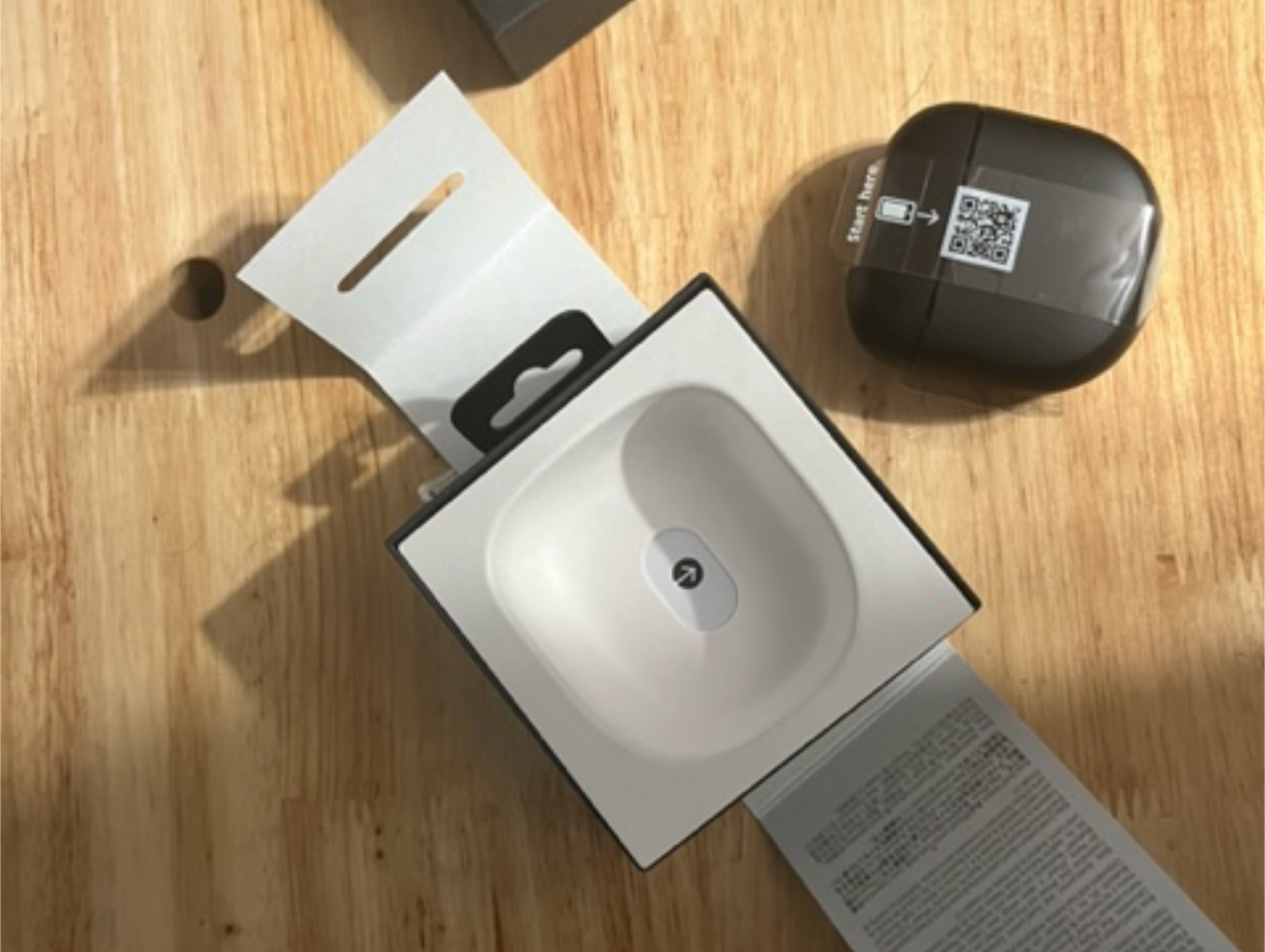
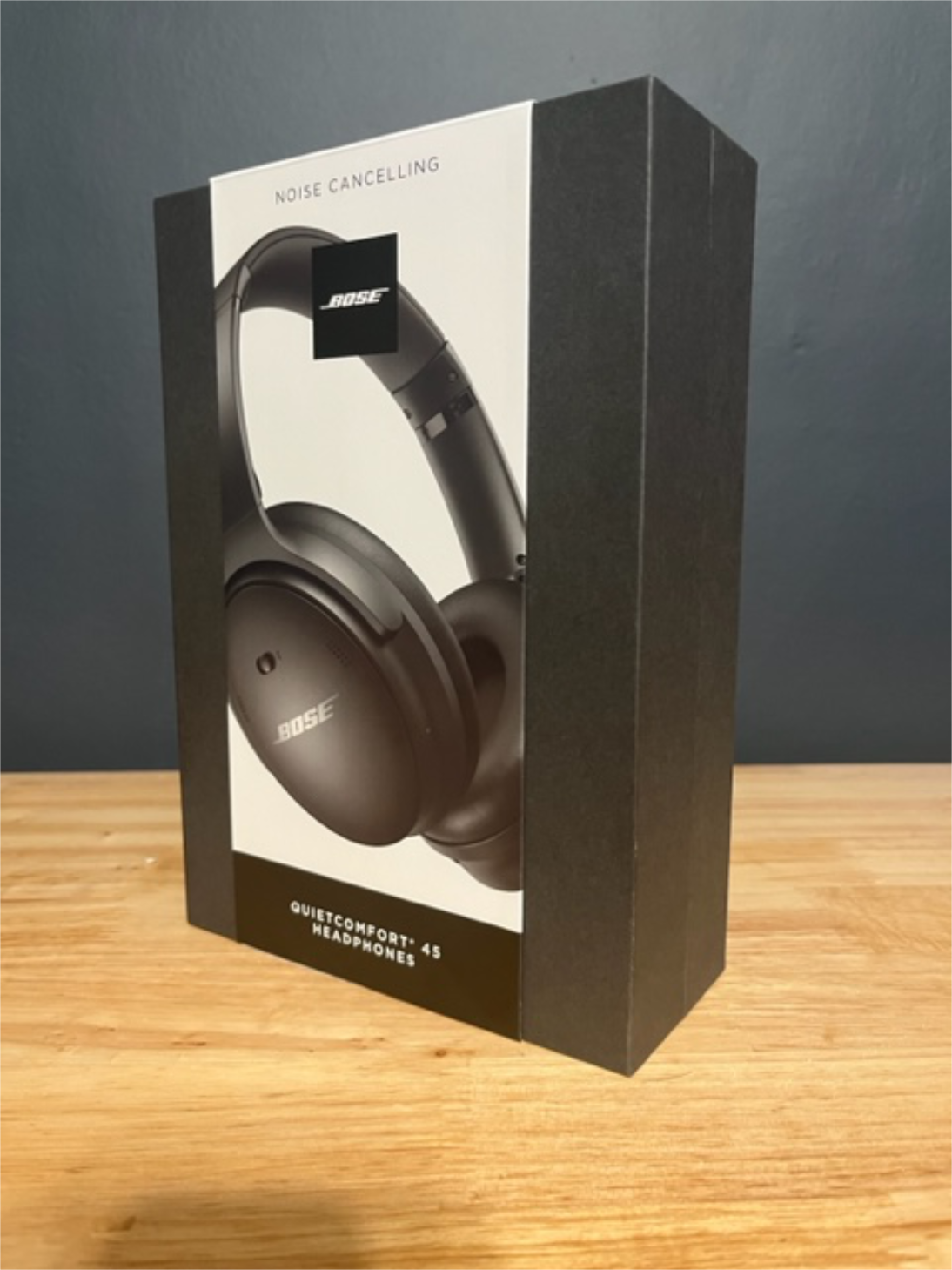
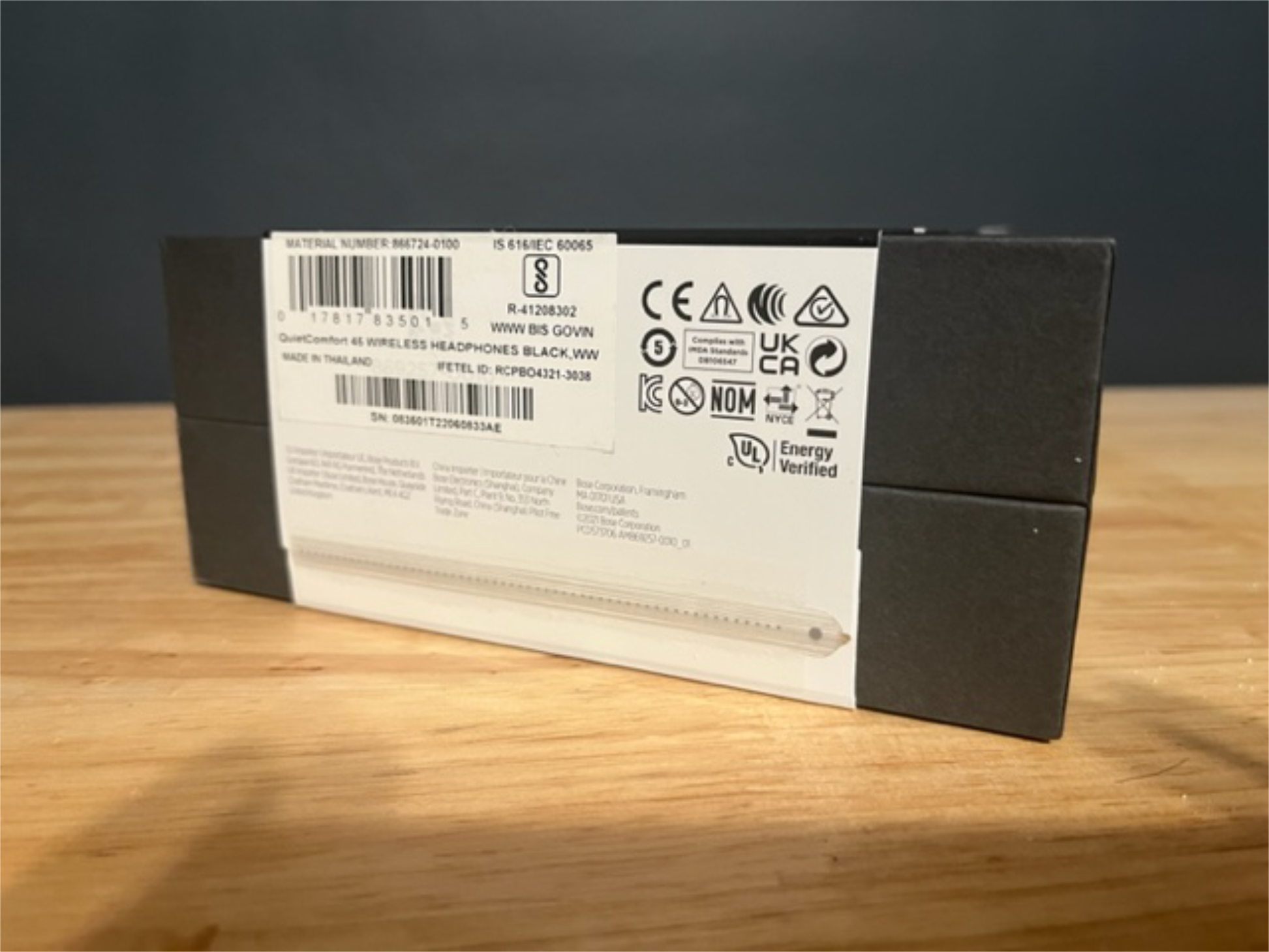
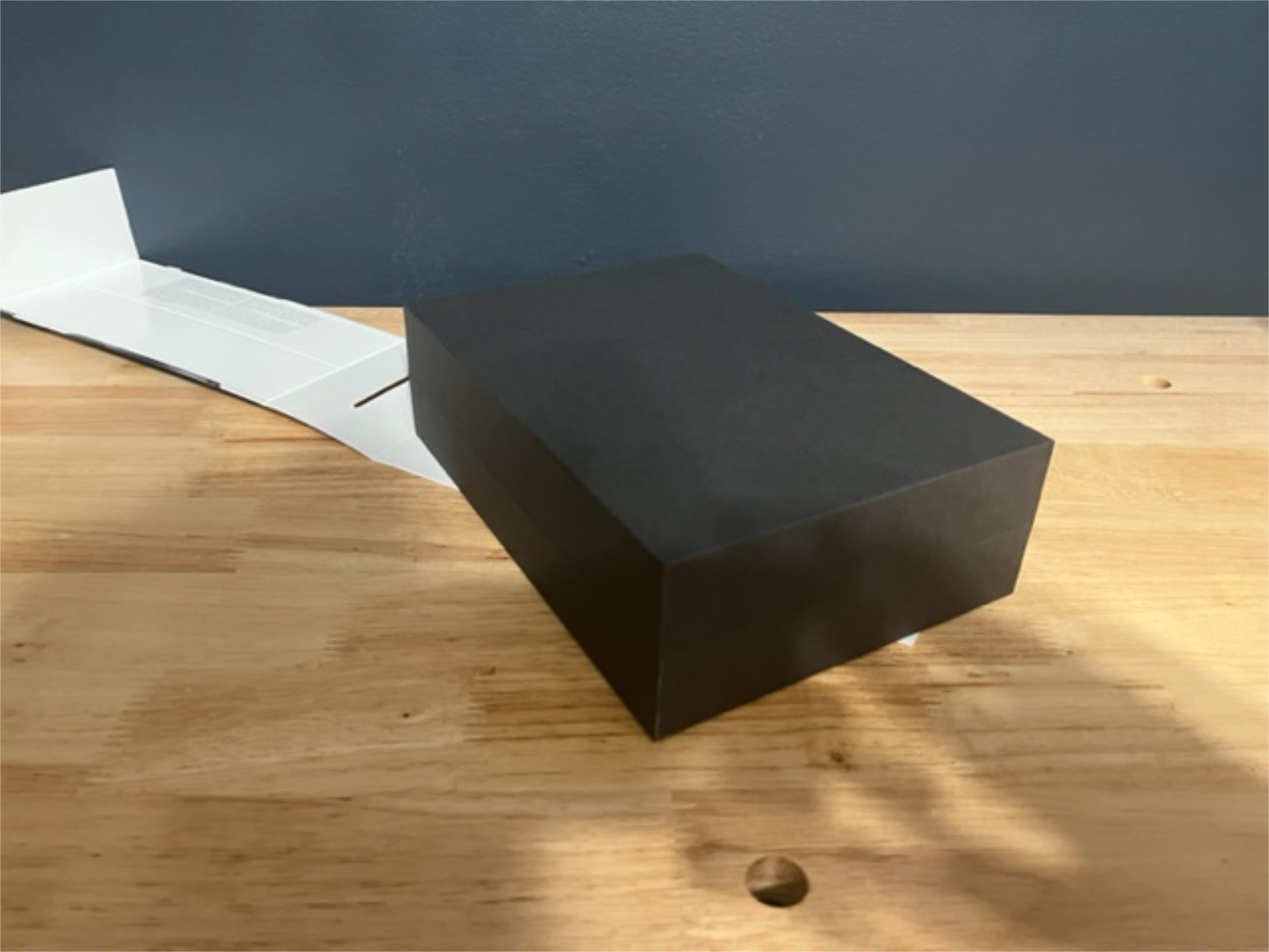
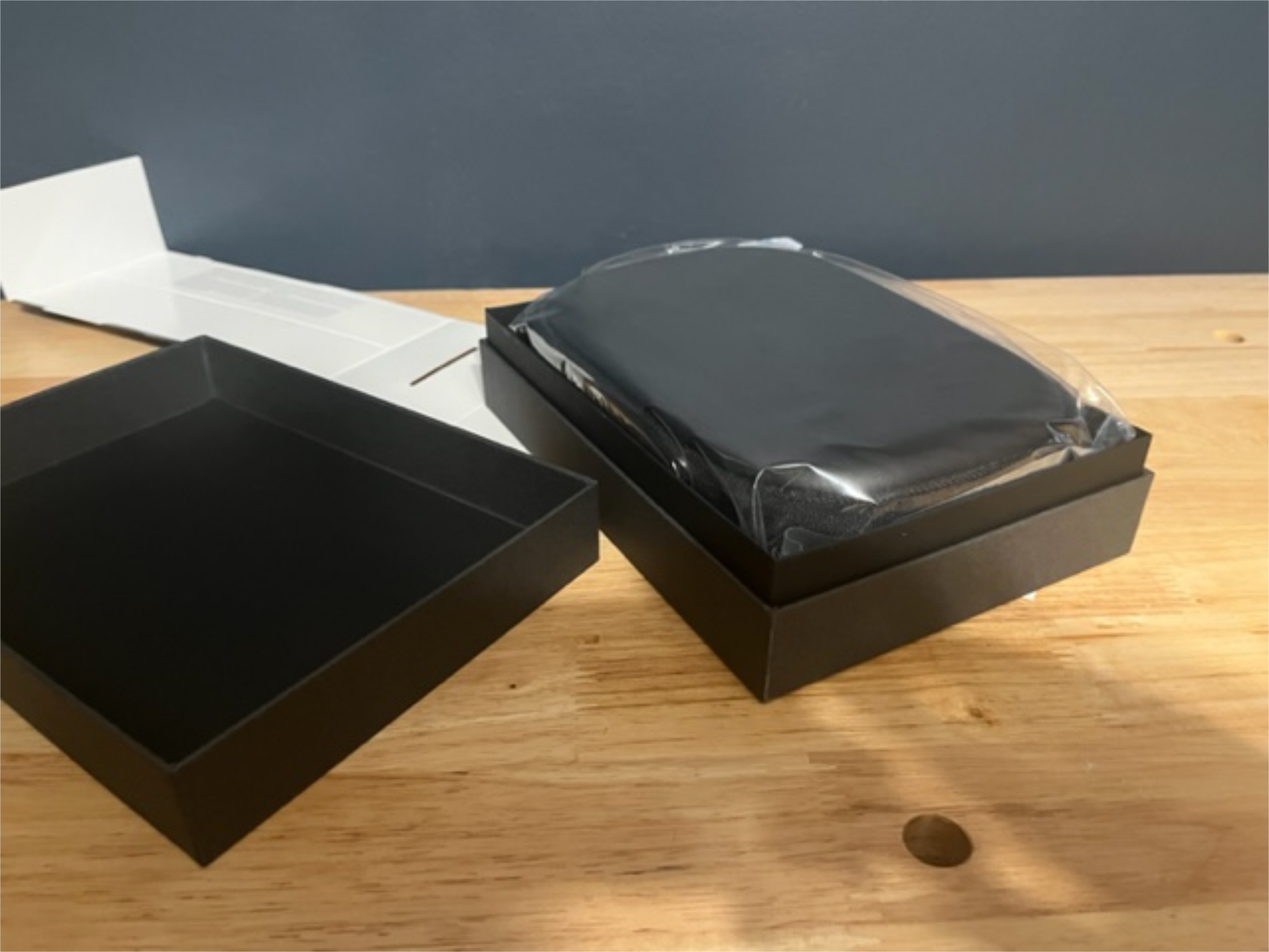

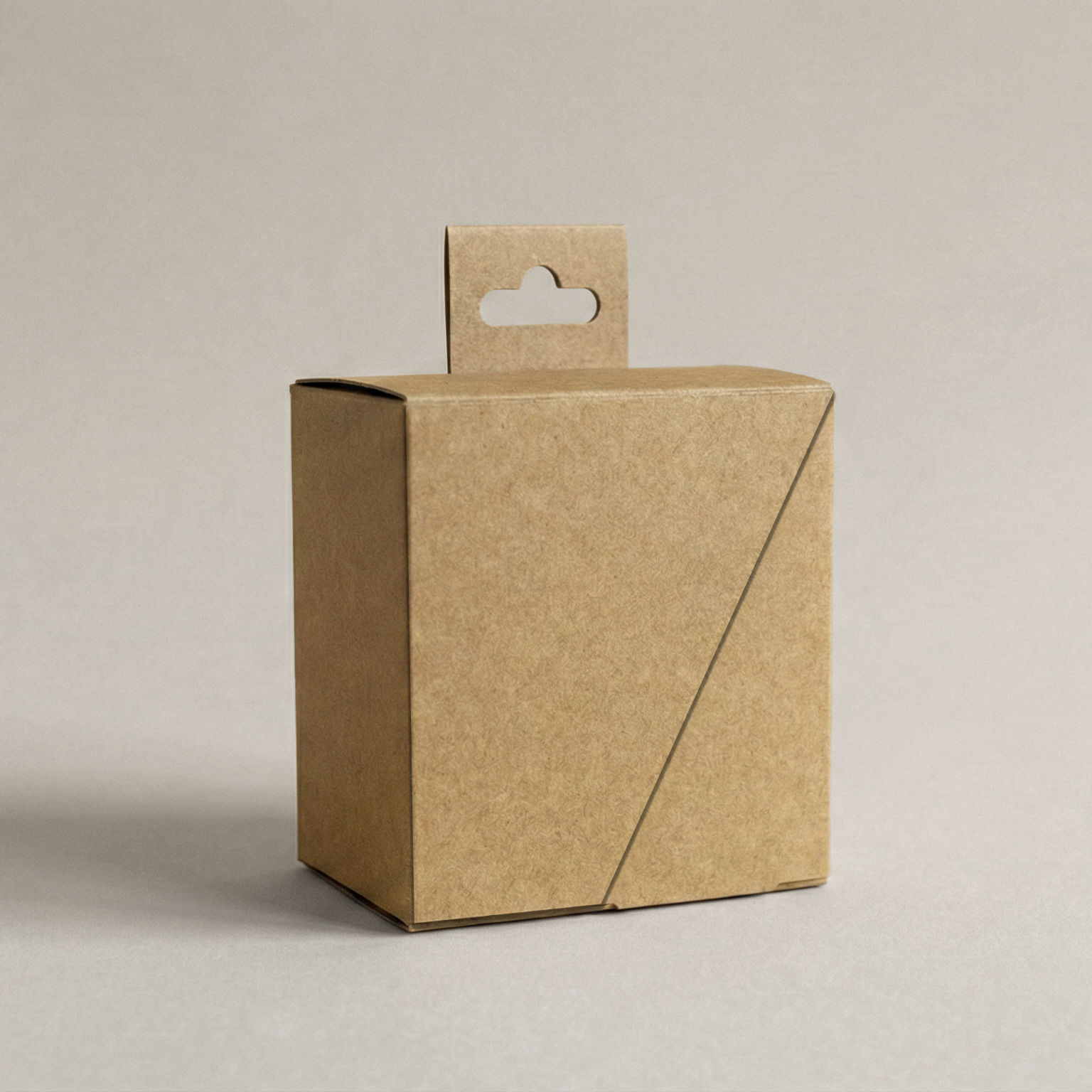
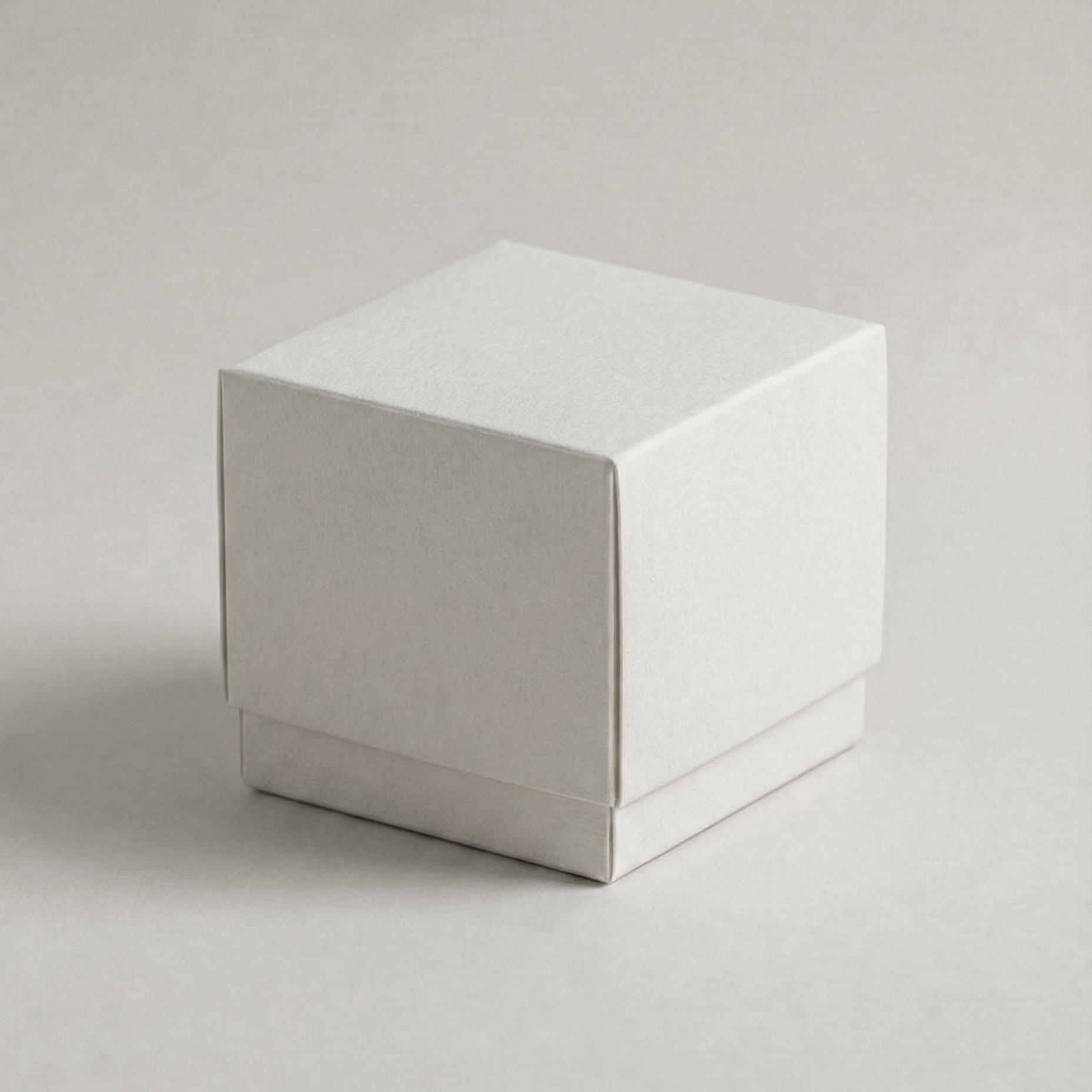

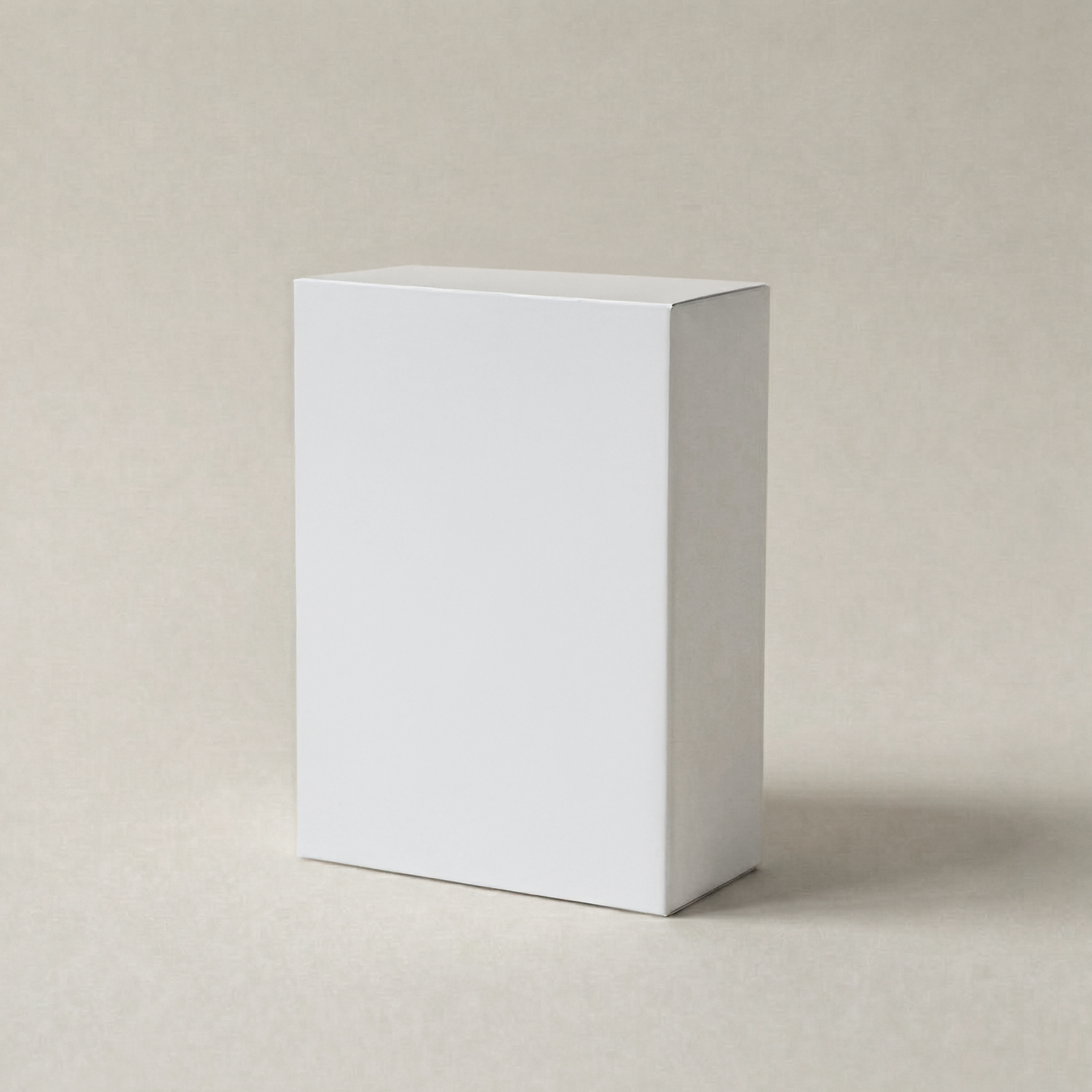
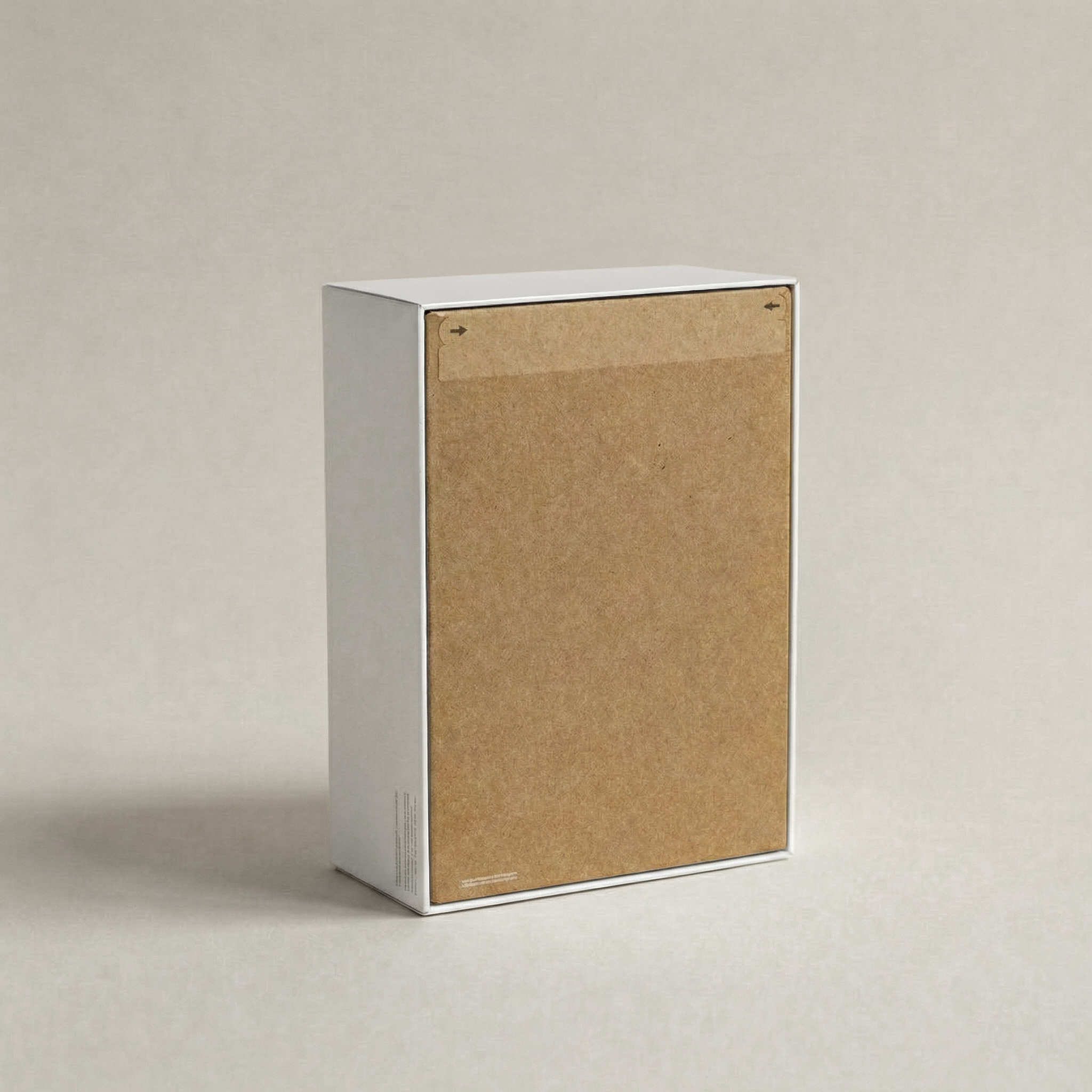
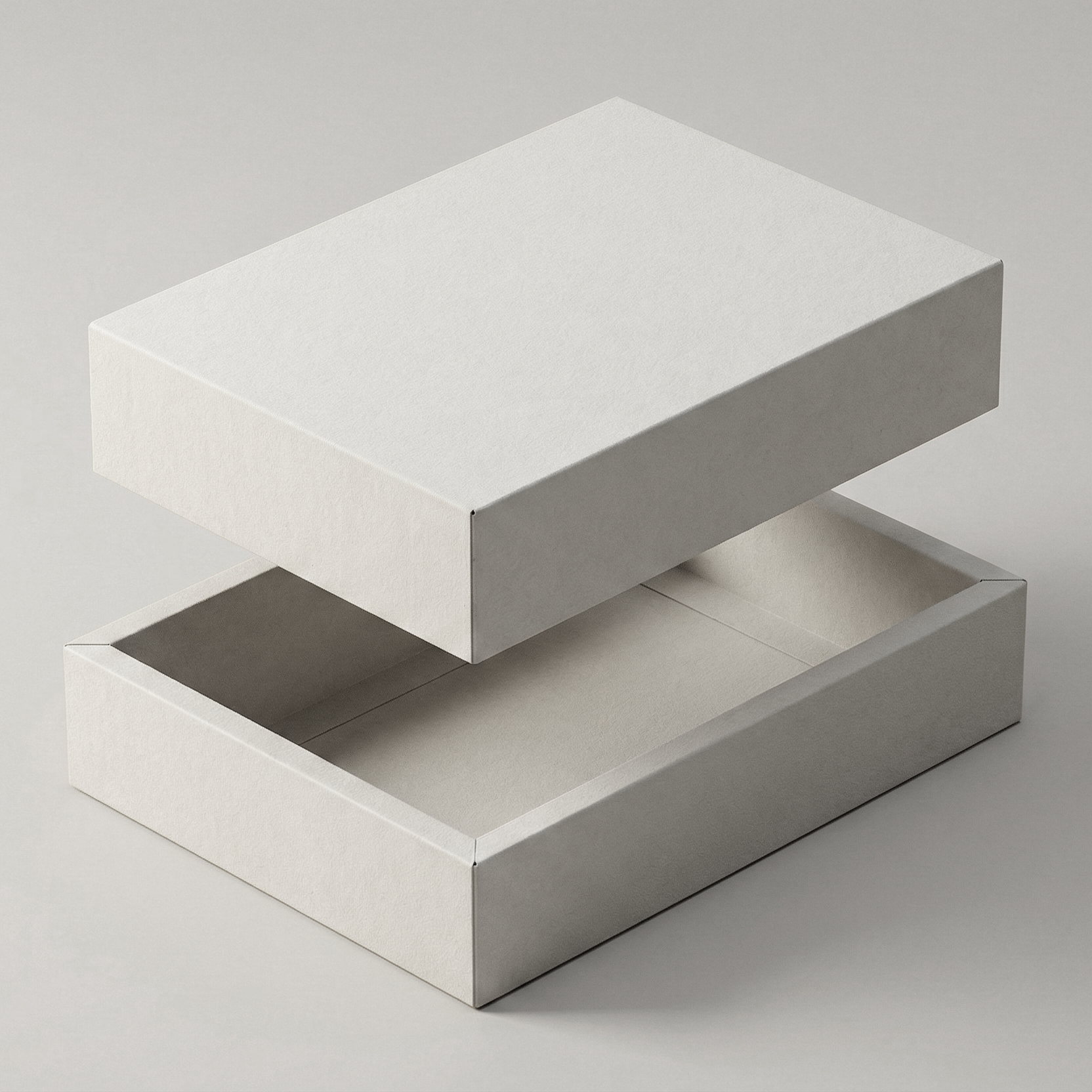

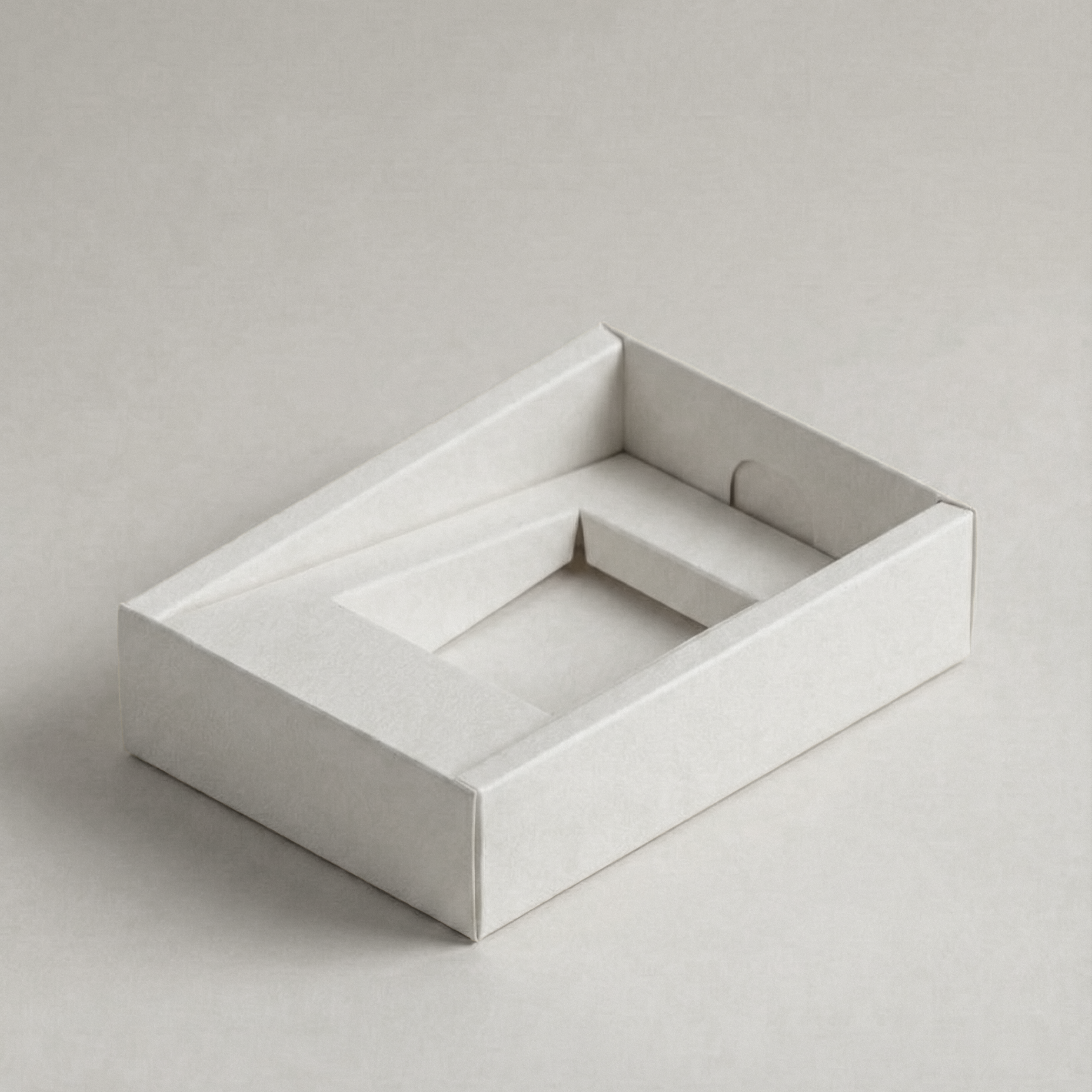

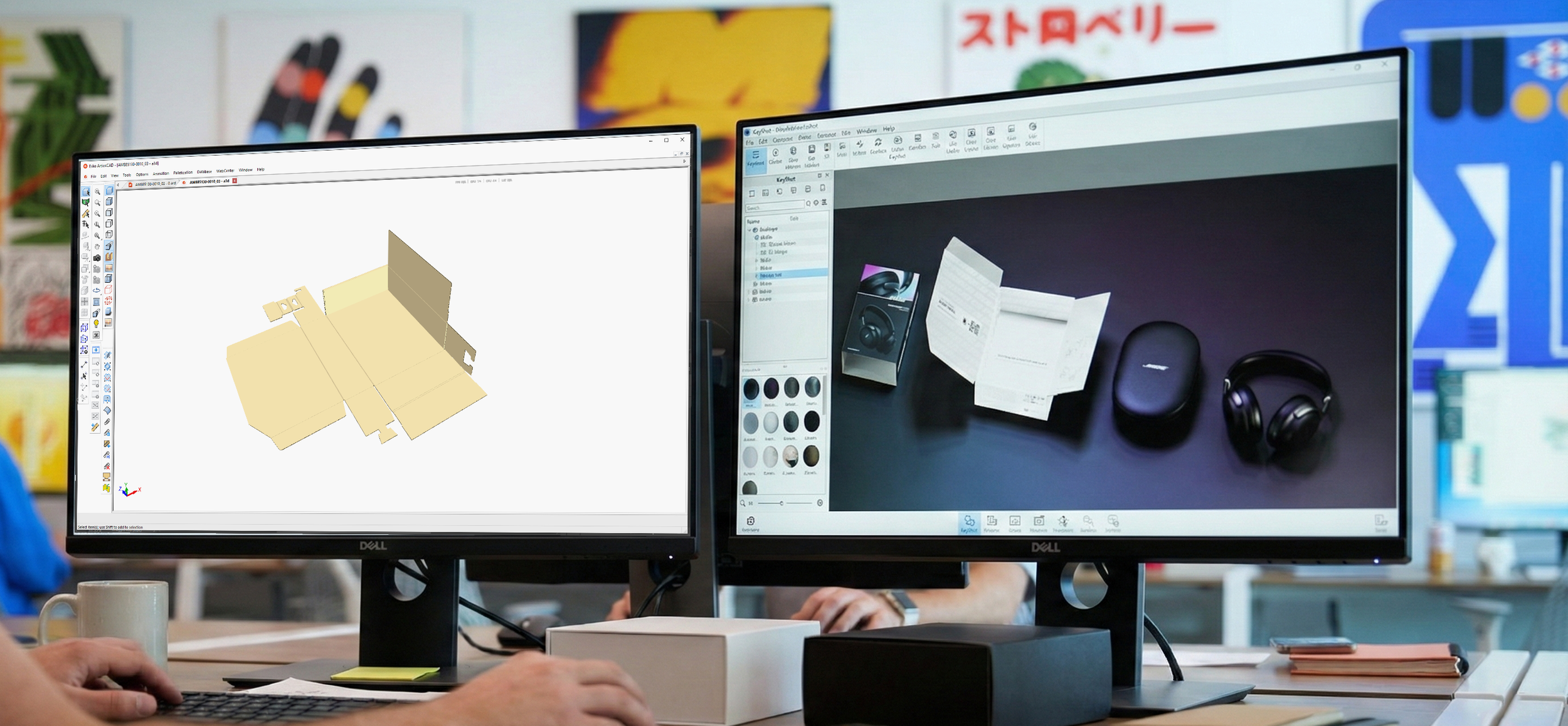
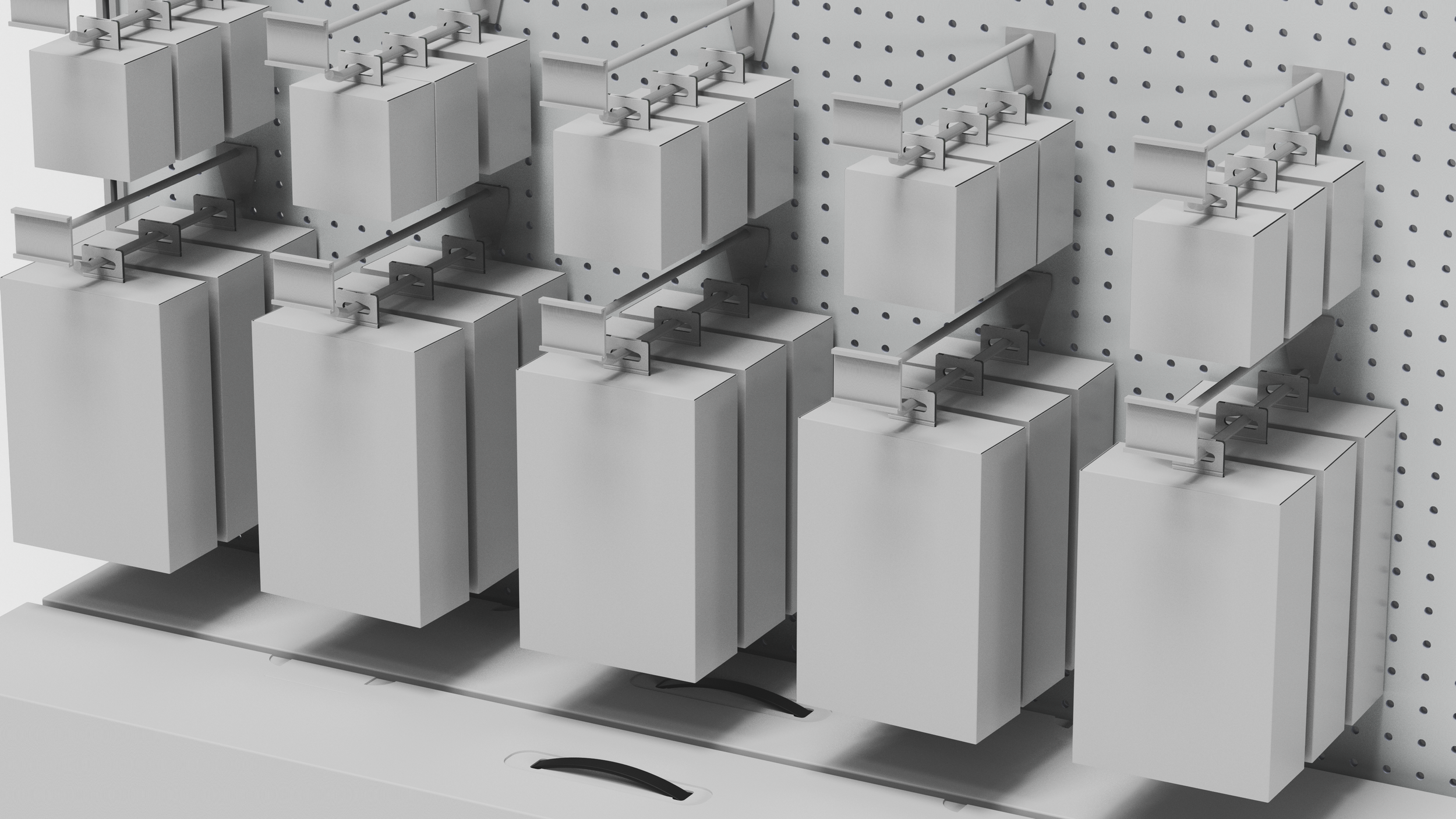
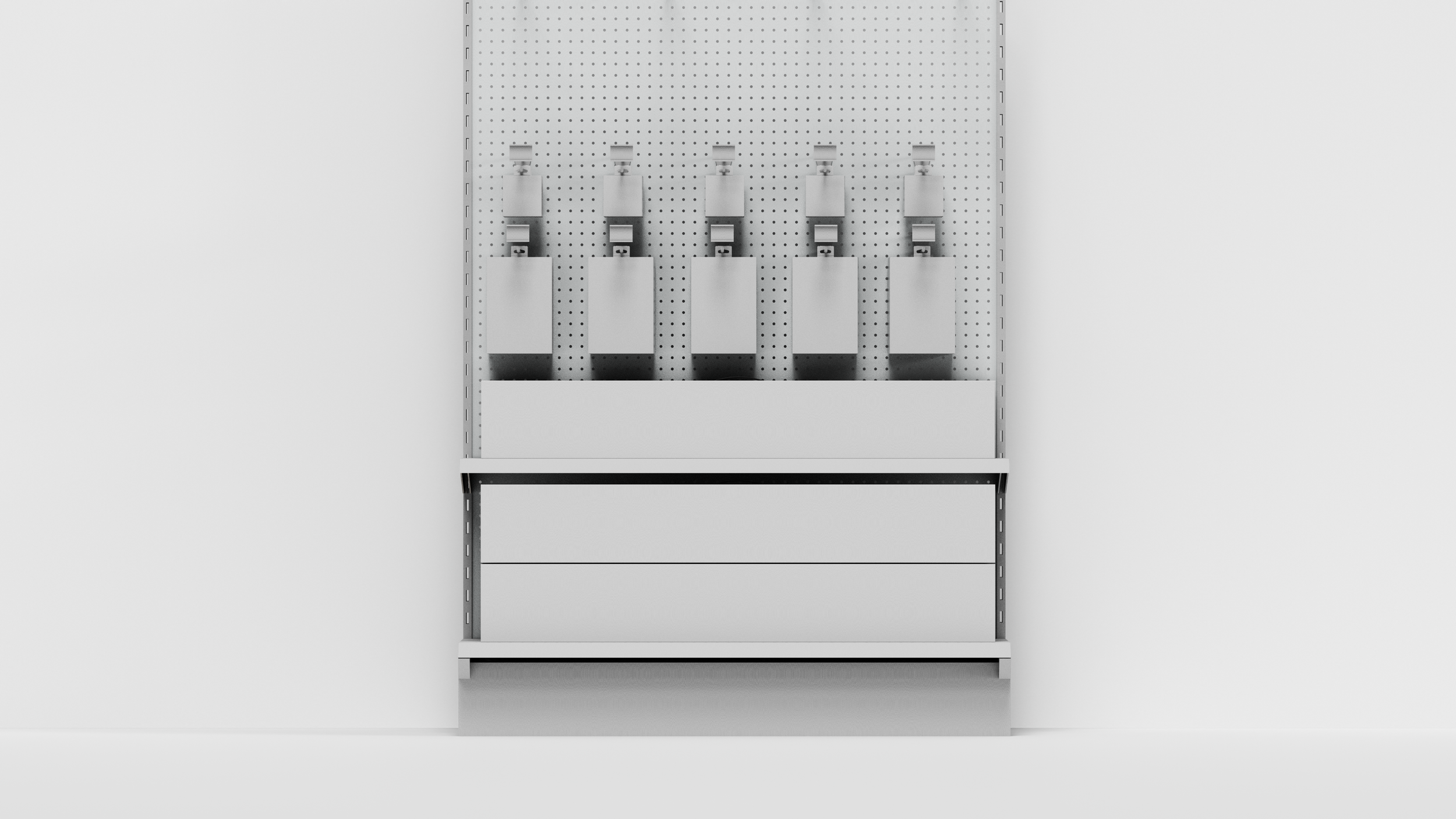
Beyond the structural engineering, I led the visual storytelling for this system, translating technical dielines into high-fidelity brand assets. To ensure total accuracy from concept to shelf, I utilized a CAD to render:
Leveraged SolidWorks and Esko to develop production-ready dielines, ensuring that every rolled edge and angled cut was mathematically precise.
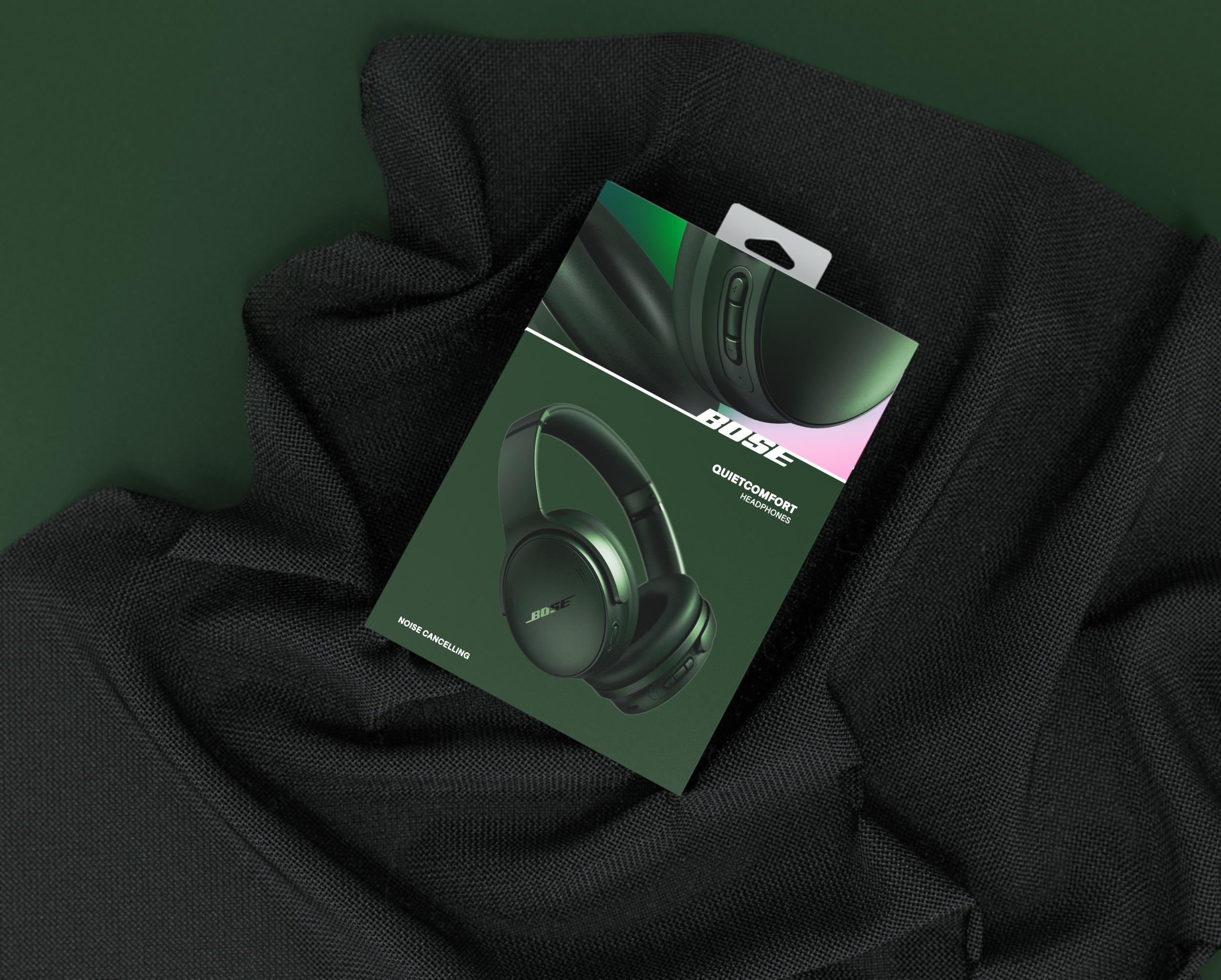
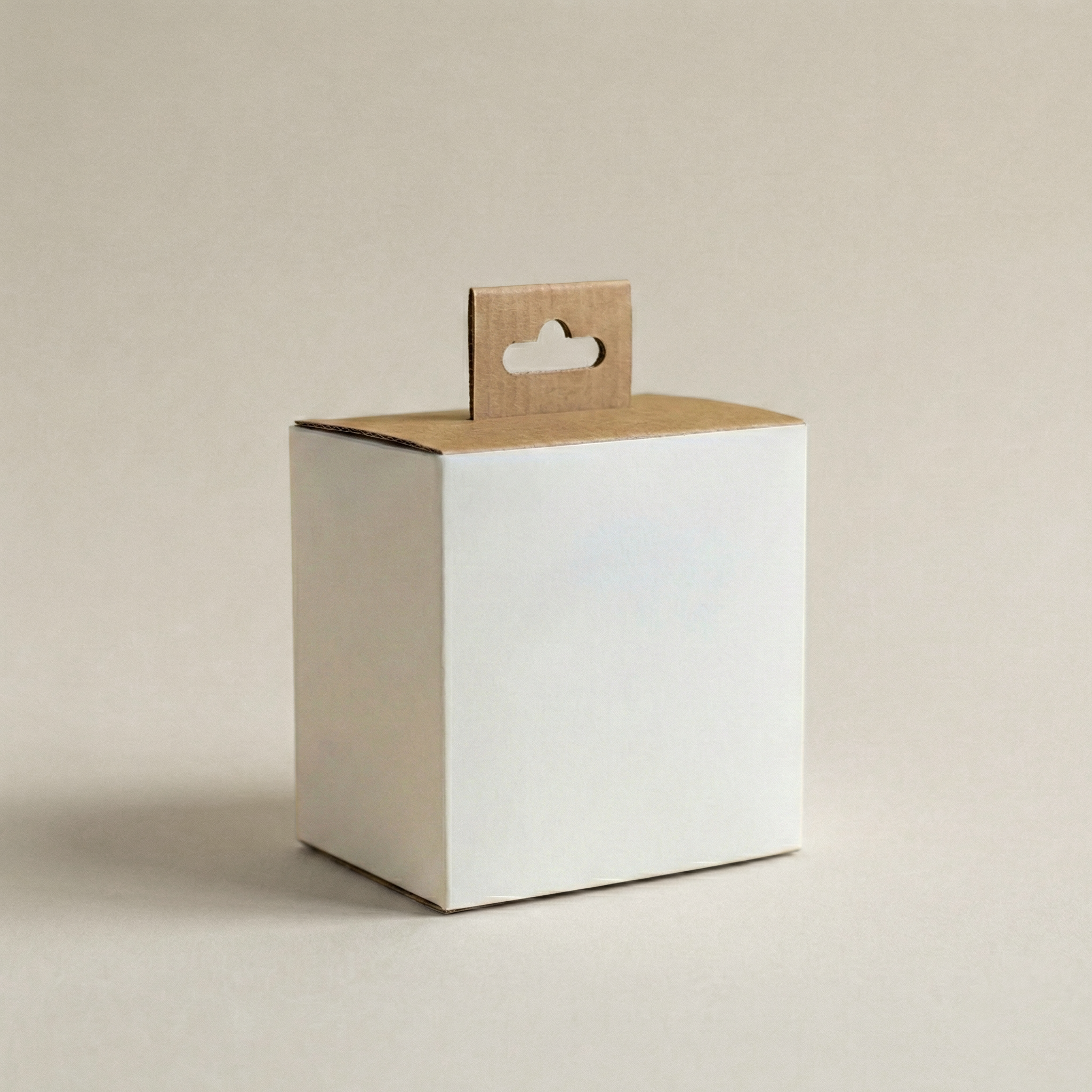
Using KeyShot, I produced a suite of photorealistic renders that showed what the package would like before it was in production.
I curated a mix of Studio Renders, to highlight the "rigid-box" aesthetic and material textures, and On-Shelf Visuals, to demonstrate how the modular system creates a unified, "billboard" effect in a retail environment.